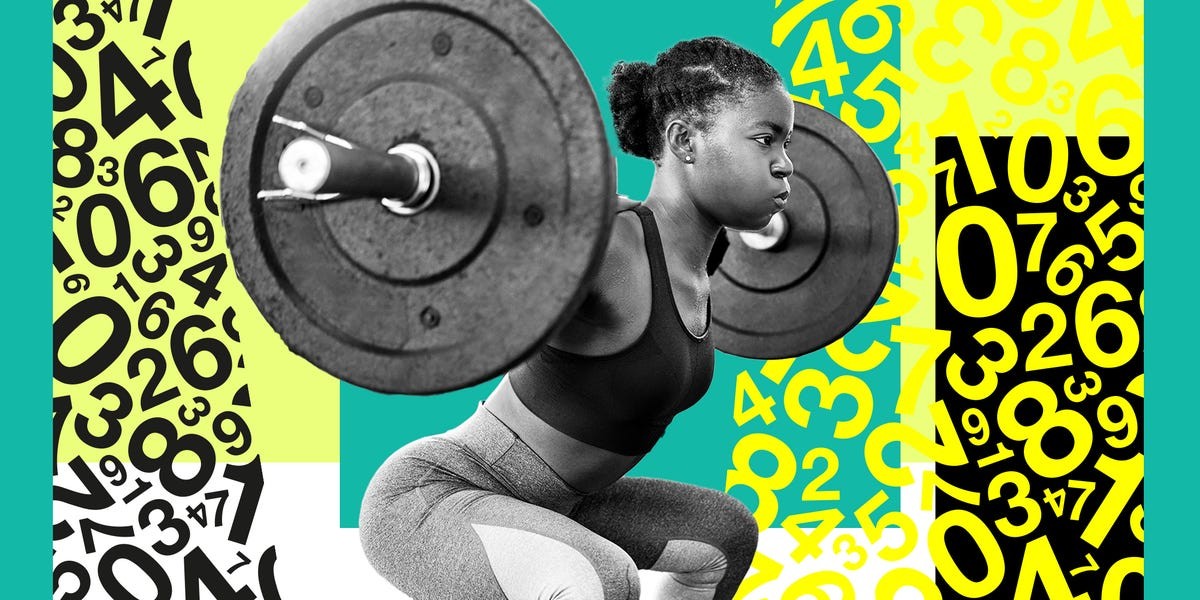
For years, fitness advice has drilled the idea that specific rep ranges build specific results: low reps for strength, moderate reps for muscle growth (hypertrophy), and high reps for endurance. But a new study suggests that this rigid thinking may be outdated. The key to building muscle and strength isn’t how many reps you do, but how hard you push yourself during each set.
The Science Behind Effort
Researchers at the Journal of Science and Medicine in Sport recently compared two groups performing lower-body workouts. One group completed sets of 10 repetitions, while the other did 20 – both groups trained to concentric failure, meaning they continued lifting until they could no longer complete the upward phase of each movement. Surprisingly, both groups saw similar gains in muscle size, strength, and even how efficiently their muscles used oxygen as fuel.
This suggests that the rep range itself is less critical than training with maximum effort. A 2024 meta-analysis confirms this: results are better when sets are taken closer to failure. In other words, pushing yourself to the limit is what truly drives progress.
How to Train Effectively
Many lifters fear “failure,” often worrying about injury. The solution isn’t to avoid failure entirely, but to stop just before form breaks down – what’s known as technical failure. This means halting the set when you begin to lose control, before your technique degrades.
One trick is to monitor rep speed. The final repetitions should noticeably slow down. For example, a squat might take three or four seconds to complete as fatigue sets in. Your body won’t always perform at peak capacity, so allowing for flexibility is key. Instead of rigid numbers, focus on selecting weights that challenge you on any given day.
Forget the Rules, Focus on Feeling
Treat your workout plan as a guide, not a rigid law. Be more lenient with hitting exact rep counts, and instead prioritize choosing weights that genuinely push your limits. The latest research shows that less obsession with numbers, and more emphasis on effort, can actually improve results.
Science suggests that pushing yourself to the point of near-failure is more effective than hitting arbitrary rep targets. The quality of effort matters more than the quantity of reps.