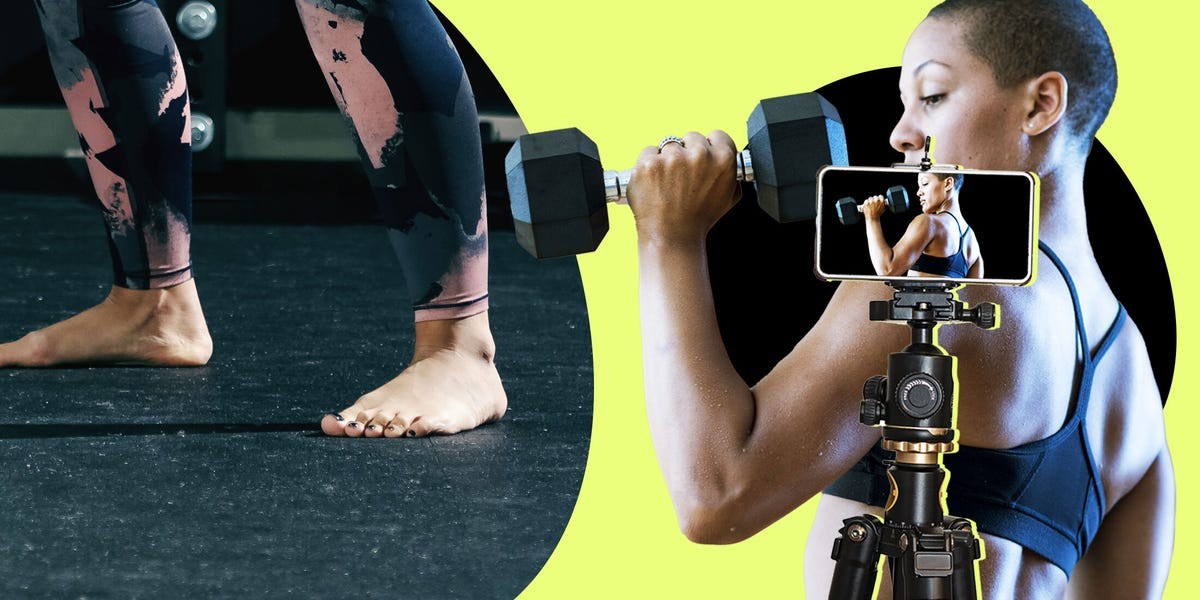
The gym can be a minefield of unspoken rules and social anxieties. From filming workouts to going barefoot, certain behaviors are often stigmatized as “cringe” or disrespectful. But, according to fitness professionals, many of these so-called faux pas can actually be strategic tools for better training—provided they’re executed thoughtfully.
Why Gym Etiquette Matters (and Why It’s Often Misunderstood)
Social media has amplified gym judgment, leading many people to second-guess basic actions like filming their sets or adjusting their form. This fear of ridicule distracts from the real goal: effective training. The reality is that many “bad” behaviors aren’t inherently wrong; they’re simply misunderstood or misused. The key lies in context, gym rules, and basic respect.
Filming Yourself: A Powerful Training Tool
Filming yourself during workouts is often seen as self-indulgent, but it’s a surprisingly effective way to improve form and track progress. Many gyms lack adequate mirrors, making it difficult to self-assess technique. Video provides instant, replayable feedback—akin to athletes reviewing game film.
How to Film Responsibly:
- Stay out of frame: Avoid capturing bystanders unless absolutely necessary.
- Ask permission: If someone is inadvertently in your shot, always ask if they’re comfortable being included.
- Be mindful of space: Don’t obstruct walkways or create tripping hazards. A friend can help with setup.
Filming can also help gauge effort. A rep might feel challenging, but reviewing the footage can reveal whether your technique is truly pushing your limits. Rep speed is a key indicator: if you’re cruising through reps, the weight is too light to trigger optimal muscle growth.
The Mirror Isn’t Vanity—It’s Feedback
The gym mirror often gets a bad rap, associated with excessive posing. However, mirrors are essential for connecting intention with execution. They allow you to see what you’re actually doing versus what you think you’re doing—critical for beginners, visual learners, and those recovering from injuries.
When Mirrors Matter Most:
- Bicep curls, shoulder presses, bent-over rows: Use the mirror to check form.
- Avoid craning your neck: Don’t sacrifice technique for visual feedback (e.g., deadlifts).
Using the mirror isn’t “vain”; it’s a practical tool for safe, effective training. Just be mindful of others and avoid blocking access.
Intentional “Cheating”: A Smart Training Hack
Rigid adherence to perfect form can sometimes hinder progress. “Cheating” exercises—using momentum to lift heavier weight—can be a strategic way to break plateaus. For example, using a slight hip drive during bicep curls allows you to lift more weight while still emphasizing the eccentric (lowering) phase, which is crucial for strength building.
Cheat Codes for Common Exercises:
- Bicep curls: Use hip drive to lift the weight, then slow the descent.
- Pushups: Lower fully to the ground, then explosively push back up.
- Pullups: Use a box or bench to assist the upward motion, then control the negative.
When done intentionally, “cheating” isn’t sloppy; it’s a calculated strategy for overcoming limitations.
Barefoot Lifting (With Caveats)
Going barefoot (or in socks) can improve stability and ground feedback during squats, deadlifts, and single-leg exercises. However, this practice isn’t universally accepted.
Before Ditching Your Shoes:
- Check gym rules: Some facilities prohibit barefoot training for safety reasons.
- Be smart: Remove shoes only for lifts where it makes sense, and put them back on to walk around.
The Bottom Line: Train Smart, Not Just “Correctly”
The real issue isn’t whether these behaviors are “good” or “bad.” It’s whether they’re performed safely and respectfully. Many gym taboos are just misunderstood tools that can enhance your training when applied thoughtfully. If it’s safe, doesn’t disrupt others, and helps you achieve your goals, there’s no reason to feel ashamed.