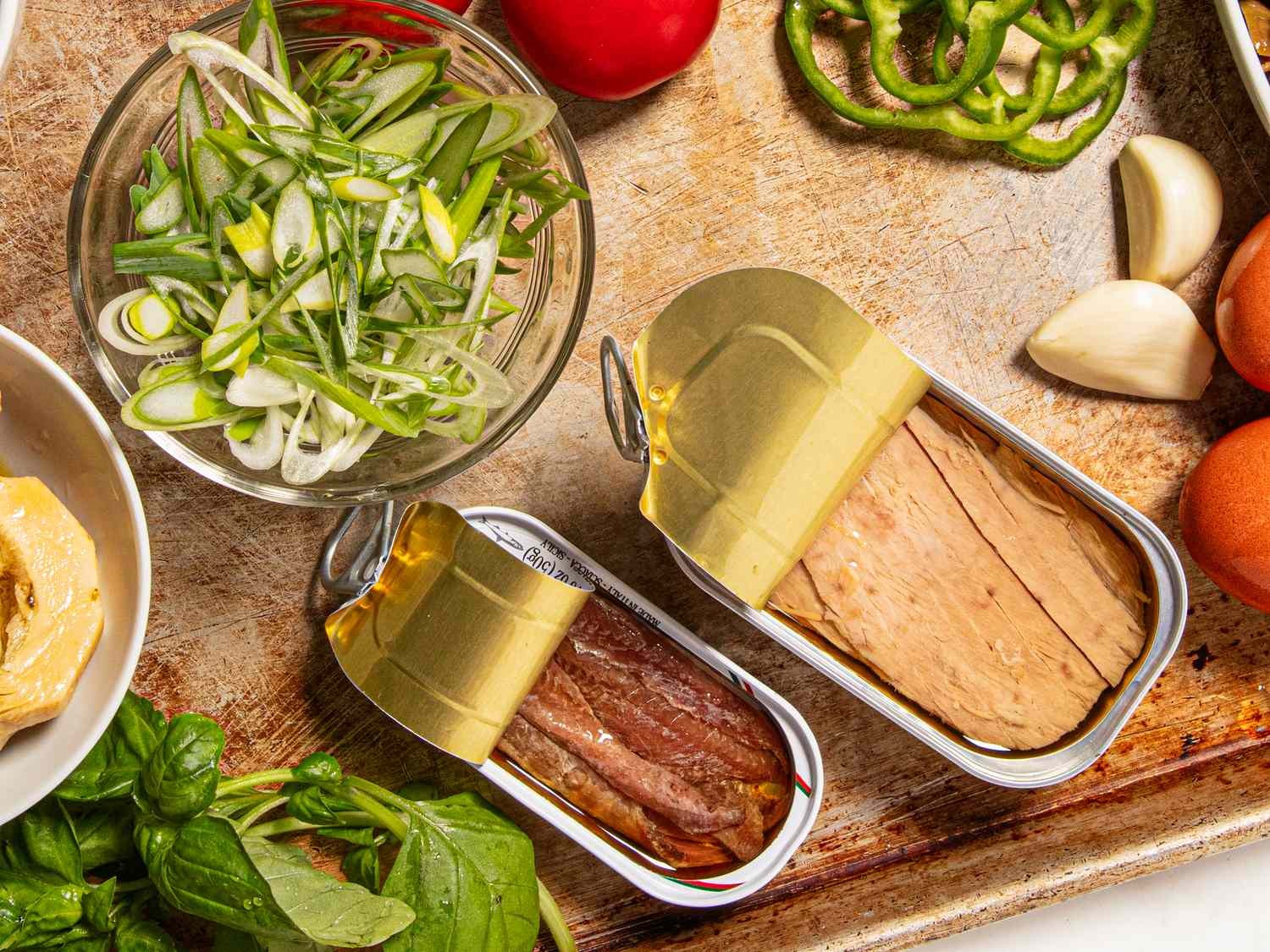
For many, canned tuna evokes memories of bland sandwiches drowned in mayonnaise. However, a simple switch—choosing oil-packed over water-packed—transforms this pantry staple into a versatile and flavorful ingredient. The difference isn’t subtle; it’s a matter of texture, richness, and the potential to elevate everyday meals.
The Fundamental Shift: Oil vs. Water
Water-packed tuna is exactly that: fish preserved in water. This process yields drier, firmer flakes with a clean, but somewhat bland, flavor profile. It’s suitable for recipes where the tuna is heavily mixed with other ingredients, such as classic tuna salad. Oil-packed tuna, conversely, is submerged in oil (ideally olive oil), which locks in moisture and infuses the fish with richness. This results in supple, flavorful flakes that can be enjoyed straight from the can or used as a flavor base in various dishes.
The key is the liquid. Water strips moisture, while oil preserves it. The heat of canning gently poaches the tuna in oil, creating a silky texture that stands in stark contrast to the dry, chalky consistency of water-packed varieties. Moreover, the oil itself becomes a bonus ingredient—drizzle it on pasta, beans, or bread for an instant depth of flavor.
Quality Matters: Beyond Just “Oil-Packed”
Not all oil-packed tuna is equal. Many cheaper brands use soybean or vegetable oil, which can taste flat and greasy, undermining the quality of the fish. The best option is tuna packed in olive oil, which imparts fruity, peppery notes that complement rather than mask the tuna’s flavor. Look for cans where the oil glistens around the fish, but doesn’t leave a greasy residue.
For true indulgence, consider ventresca, cut from the fatty belly of the tuna. It is the equivalent of toro in sushi—delicate, buttery, and tender. While pricier, ventresca elevates simple dishes to luxury status.
Versatile Applications: Beyond the Sandwich
Oil-packed tuna isn’t just a convenience food; it’s a flavor powerhouse that transforms everyday meals into something special.
- Pasta: Oil-packed tuna shines in pasta dishes, pairing exceptionally well with capers, chili flakes, lemon, and garlic. The tuna-infused oil can be used to sauté aromatics, boosting the flavor even further.
- Salads: Forget mayo-heavy tuna salad. Oil-packed tuna elevates summer salads with tomatoes, bitter greens, beans, or potatoes. It’s also ideal for a classic Niçoise.
- Toast: A simple yet elegant appetizer: toasted bread rubbed with garlic, drizzled with tuna oil, and topped with tuna fillets and a touch of spice.
- Beans: Oil-packed tuna and white beans are a match made in heaven. A can of cannellini beans, some shallot, olive oil, lemon juice, and tuna make for a quick, satisfying meal.
When Water-Packed Still Works
Despite the superiority of oil-packed tuna for many applications, water-packed remains relevant for specific recipes. If you’re making a tuna melt or a creamy tuna noodle casserole, the leaner texture of water-packed tuna balances out the richness of the other ingredients.
A Pantry Essential
Ultimately, oil-packed tuna is a game-changer. It’s a versatile, flavorful staple that elevates pantry cooking to new heights. If you’ve only experienced the blandness of childhood tuna sandwiches, it’s time to rediscover canned tuna—and experience just how good it can be.