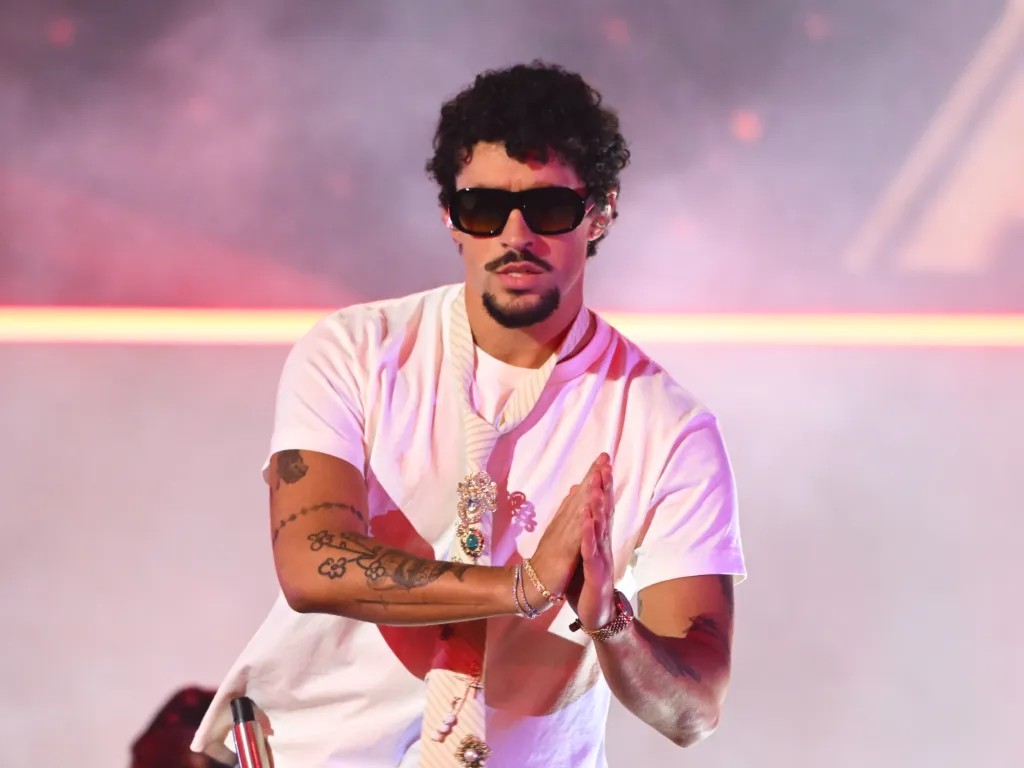
Bad Bunny’s selection as Super Bowl LVIII’s halftime performer sparked criticism, but his popularity among young audiences isn’t accidental. He represents a shift in music, masculinity, and political consciousness that resonates deeply with Gen Z. A recent Emerson College poll revealed that 63% of voters under 30 are excited about his Super Bowl appearance, confirming his cultural influence.
From Supermarket Bagger to Global Icon
Benito Antonio Martínez Ocasio, better known as Bad Bunny, rose to prominence in 2016 after his reggaetón tracks went viral on SoundCloud. Within a few years, he transitioned from bagging groceries to becoming the world’s most-streamed artist by 2020. This rapid ascent wasn’t just about music; it was about disrupting norms.
His rejection of hyper-masculinity – through painted nails and flamboyant fashion – caught the attention of a generation that rejects rigid gender roles. However, Bad Bunny’s appeal extends beyond aesthetics.
A Political Force in Music
Bad Bunny’s music has always been inherently political. As a Puerto Rican artist, his work is an act of resistance against US colonial policies. He has consistently used his platform to protest gender-based violence, government corruption, and anti-trans hate in Puerto Rico.
But his impact is most potent now, given the escalating anti-immigrant rhetoric in the US, which disproportionately targets Latino communities. His 2025 album, Debí Tirar Más Fotos, directly addresses these issues, giving voice to the anxieties and realities of young people facing systemic oppression.
Challenging Imperialism, Championing Humanity
Bad Bunny understands his audience. He aims to inspire change in those who feel powerless. As he stated in a New York Times interview: “I should do something where I can plant a seed… Bro, that is the purpose—to give young people an opportunity to showcase the rhythms of Puerto Rico. ”
Even for non-Spanish speakers, his message is clear. At the 2026 Grammys, after Debí Tirar Más Fotos became the first Spanish-language album to win Album of the Year, he delivered a powerful statement amid ICE violence and federal killings: “ICE out. We are not savages, we are not animals, we are not aliens; we are human.” He urged unity and love for his people.
Bad Bunny’s Super Bowl performance is not just entertainment; it’s a win for the values he champions. In a world where young people are desperately seeking meaning and change, few artists offer as much as he does. His influence is more than just music—it’s a cultural and political force.