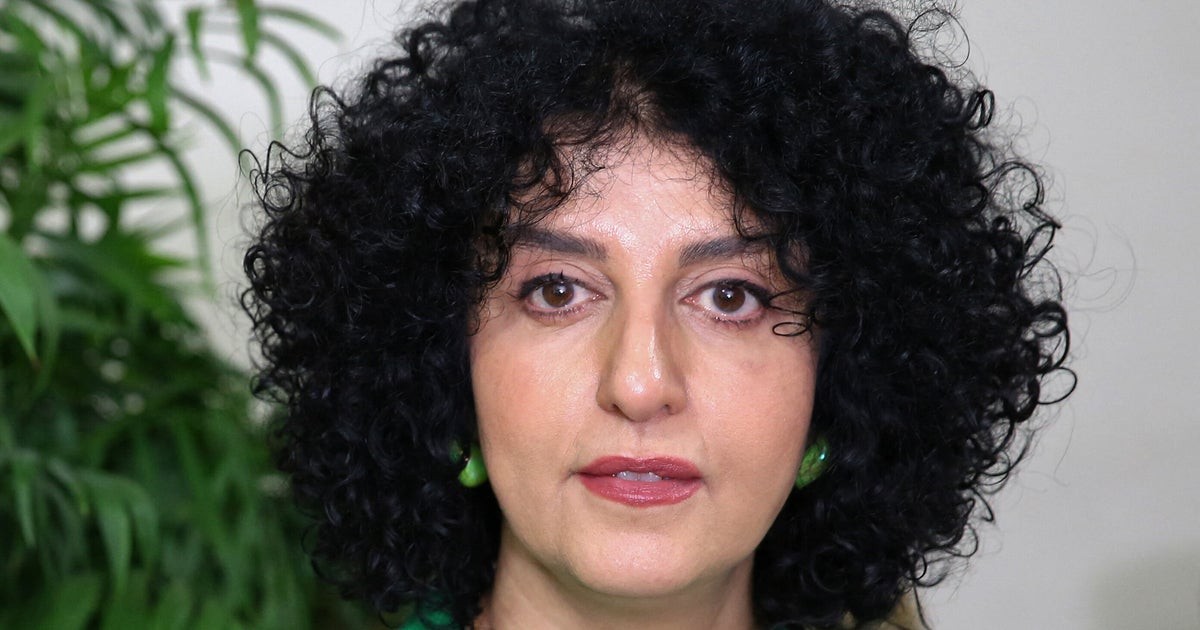
TEHRAN – Nobel Peace Prize winner Narges Mohammadi has been sentenced to over seven additional years in Iranian prison following her hunger strike, as the government intensifies its crackdown on dissent after widespread protests. The ruling comes as Iran maintains a hardline stance in nuclear negotiations with the United States, refusing to concede ground despite mounting international pressure.
Escalating Repression
The Revolutionary Court in Mashhad issued the verdict Saturday, adding six years for “gathering and collusion,” one-and-a-half years for propaganda, and imposing a two-year travel ban. Mohammadi will also serve an additional two years in internal exile in the remote city of Khosf. Amnesty International condemned the sentencing as a sign of “skyrocketing lethal repression” against activists and protesters.
Mohammadi, a prominent symbol of resistance in Iran, was arrested in December during a memorial for slain human rights advocate Khosrow Alikordi. Her supporters reported she ended her hunger strike Sunday due to deteriorating health.
Nuclear Standoff
The imprisonment coincides with ongoing nuclear talks between Iran and the U.S., with Tehran refusing to compromise on its uranium enrichment program. Iranian Foreign Minister Abbas Araghchi declared that the country’s strength lies in its ability to “say no to the great powers,” signaling a maximalist approach. This defiance comes as the U.S. military presence in the Middle East increases, including deploying the aircraft carrier USS Abraham Lincoln, to pressure Iran into a deal.
Iran has enriched uranium to 60% purity, only a step away from weapons-grade levels, despite claims its program is peaceful. Western intelligence agencies assert that Iran had a military nuclear program until 2003.
Domestic Crackdown
Iran’s judiciary chief Gholamhossein Mohseni-Ejei warned of severe consequences for dissenters, suggesting harsh sentences for those who oppose the government. This escalation follows nationwide protests sparked by the 2022 death of Mahsa Amini, which saw women defying mandatory hijab laws.
Mohammadi, who has already served over 13 years for state security charges, has been a key advocate for these protests. She suffered multiple heart attacks while imprisoned and recently underwent surgery for a bone lesion, raising concerns about her health.
Rising Tensions
The situation is further complicated by ongoing regional tensions, including the recent war between Iran and Israel in June. Israeli Prime Minister Benjamin Netanyahu is expected to discuss Iran with U.S. officials this week, while Iran plans rocket launches over its Semnan province, potentially linked to the anniversary of the 1979 Islamic Revolution.
“The secret of the Islamic Republic of Iran’s power lies in its ability to stand against bullying… Our atomic bomb is the power to say no to the great powers.” – Iranian Foreign Minister Abbas Araghchi
The combination of domestic repression, nuclear defiance, and regional instability creates a volatile situation with uncertain outcomes.
Conclusion: The imprisonment of Narges Mohammadi underscores Iran’s unwavering commitment to suppressing dissent while simultaneously refusing to yield in nuclear negotiations. This dual approach raises the risk of further escalation, both domestically and internationally, as the country navigates a precarious geopolitical landscape.