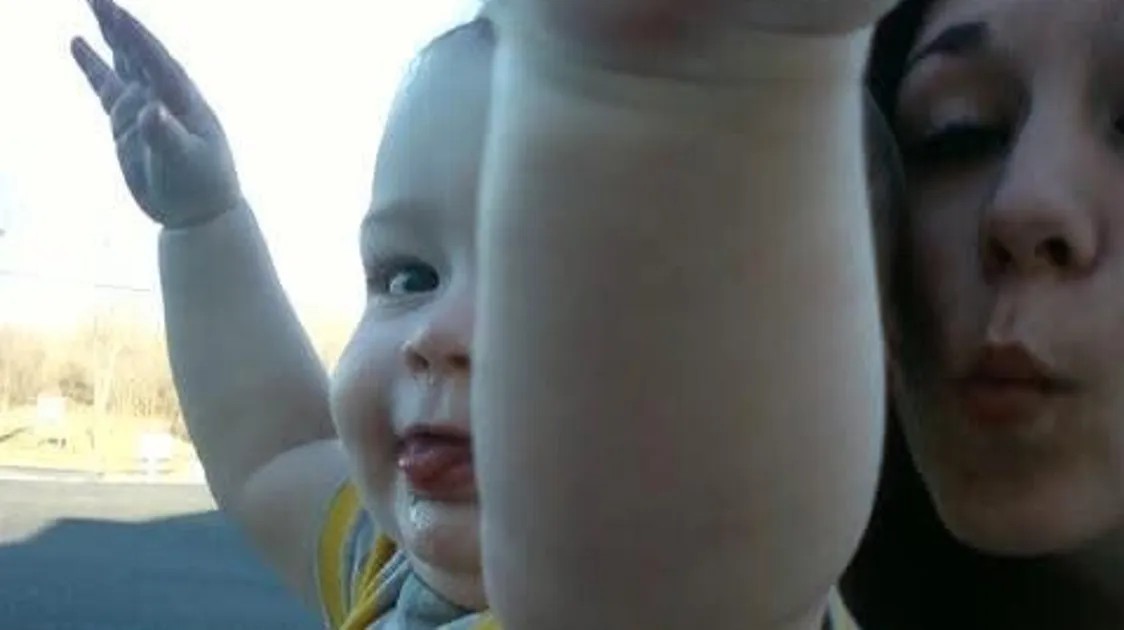
The afternoon of July 2013 started like any other. As a 22-year-old single mother juggling two jobs, life was a constant blur of activity. It was messy, loud, and exhausting – the kind of reality most young parents know intimately. I didn’t realize then that I was taking everything for granted, that the ordinary rhythm of our days was a gift I wouldn’t fully appreciate until it was gone.
My two-year-old son was heading to a trusted sitter’s house, just “up the road,” for dinner. The arrangement was routine; I’d left him in her care countless times before. I kissed him goodbye, oblivious to the fact that it might be the last time I ever saw his face. This is the brutal reality many parents face: the casual goodbyes that can become final in an instant.
The world shifted when my coworker’s phone rang as we drove to work. The road ahead was blocked, engulfed in flames. “I think it’s a car,” someone said. A mother’s intuition – a primal, terrifying sense of knowing – washed over me. Before seeing smoke or wreckage, I knew. Time fractured, and I screamed, “It’s my son. He’s in that car.”
The scene was chaos. Fire trucks, state troopers, the air thick with the smell of burning metal and fear. I ran towards the wreckage, ignoring orders, desperate to find him. When troopers stopped me, they asked where he would have been sitting: “Back seat, passenger side, in his car seat.” Their exchange of glances confirmed what I already feared.
My legs buckled. The gravel dug into my palms as I collapsed, screaming until my throat burned. The heat, the crackling radios, the unbearable realization that my son was gone – these details are etched into my memory with terrifying clarity.
Before his death, my son was pure joy. He laughed at everything, his tiny voice softening the hardest days. He called fruit snacks “nacks” and demanded them with unwavering confidence. He slept curled against my neck, a habit he never outgrew, a way of anchoring himself to me. Being his mother was the greatest role I’ve ever held, and even now, that hasn’t changed.
The aftermath was a blur of disbelief. Days bled into weeks, each morning a fresh wave of horror. People filled my house, offering condolences, but I felt utterly alone. I sat on the porch swing where I used to rock him to sleep, frozen in time while the world moved on. The logistics of grief – the funeral arrangements, the coroner’s report – felt surreal, impossible for a 22-year-old to navigate.
People called me strong, but I felt hollowed out. Grief didn’t just break my heart; it dismantled my nervous system. I became perpetually anxious, haunted by the fear that something else could be ripped away at any moment. This vulnerability led to destructive relationships, born out of trauma rather than love. Even after finding someone gentle, I lost him too, adding another layer of pain to my already fractured life.
The woman I was before July 2013 is unrecognizable now. But the After me is still here, rebuilt from pieces I never knew I possessed. Survival isn’t a single act of courage, but a thousand small choices to keep going, even when you no longer recognize yourself. Grief doesn’t disappear, but it evolves. It becomes something you learn to carry, a permanent part of the way you move through the world.
My son’s life was tragically short, but his memory reshaped me in ways that continue to matter. I am not who I once was, but I endure, and every day that I choose to keep going is a tribute to him.