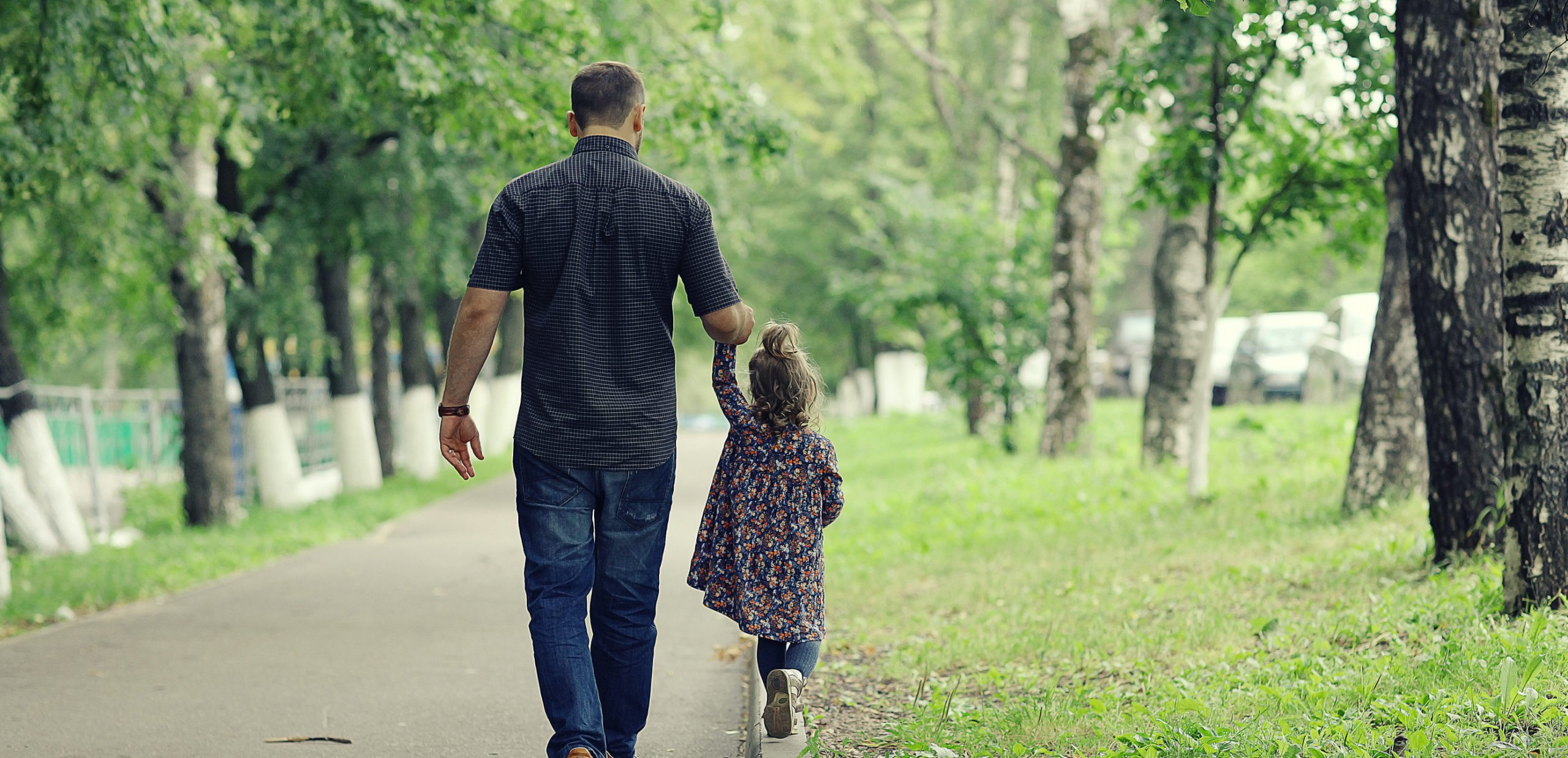
Childhood inevitably involves facing hardship. Adversity – challenges, setbacks, and difficult experiences – is a universal part of growing up. However, trauma represents something distinct: intensely distressing events that shatter a child’s sense of safety, trust, and control. While every child encounters adversity, trauma leaves deeper, often unseen scars.
The distinction matters because how we respond to each differs drastically. Adversity can build resilience; trauma, left unaddressed, can lead to lasting emotional and psychological damage.
Many children, like the author of this piece, experience both. Early childhood disruptions – parental divorce, addiction, abandonment, even witnessing tragic events – can shape a person for life. The author recounts a childhood marked by family instability, including a father’s struggles with addiction and a stepfather’s sudden departure after a mother’s death. A particularly vivid memory involves assisting victims of a plane crash, only to witness another rescuer severely burned in the subsequent explosion.
These experiences highlight a critical pattern: unprocessed trauma often remains silent. The author admits to suppressing their own pain for years, a common reaction among children who lack the language or support to express their suffering. This silence is not unique; it’s a widespread coping mechanism that delays healing.
However, experts like Dr. Nicole Wilke argue that even severe adversity does not have to define a child’s future. She points to the fact that resilience is possible with proper care and nurture. In fact, early adversity, when managed effectively, can even accelerate personal growth, surpassing the development of children who never experience such challenges.
This isn’t about ignoring pain; it’s about harnessing the human capacity for adaptation. The key lies in:
- Building strong support systems.
- Recognizing the hidden strengths that emerge from overcoming hardship.
- Providing resources for biblical character development.
Ultimately, the message isn’t about avoiding suffering. It’s about transforming it into strength, supported by faith and professional guidance when needed.
If you or your children have experienced adversity or trauma, remember that help is available. Caring counselors can provide support, prayer, and guidance toward healing. Reach out at 1-800-A-FAMILY (232-6459) for immediate assistance.