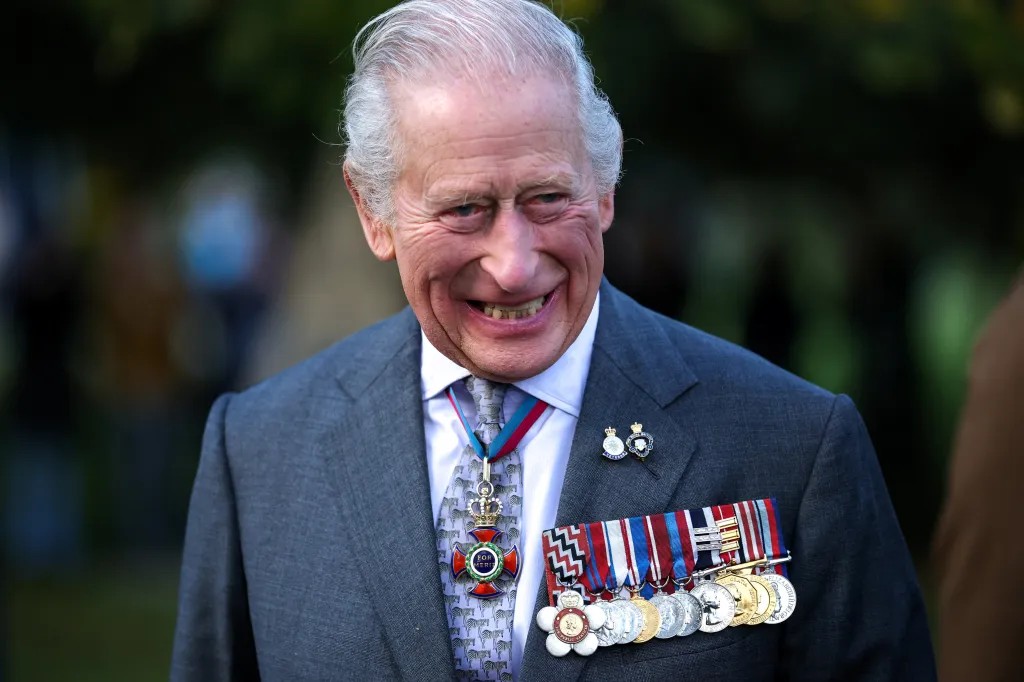
King Charles’ efforts to establish a stable reign are being undermined by persistent public anger over Prince Andrew’s involvement in the Jeffrey Epstein scandal. Despite attempts to move forward with royal duties, anti-monarchist sentiment remains strong, with protests and open criticism directly targeting the King.
Easter Service Protests Highlight Rising Discontent
During an Easter service at St. Asaph Cathedral in North Wales on April 2, King Charles and Queen Camilla were met with graffiti reading “Not Our King” and a visibly sparse crowd. The protest group Republic, which has actively opposed the monarchy since Charles’ coronation in May 2023, seized the opportunity to display signs questioning Charles’ knowledge of Andrew’s conduct.
One such sign read, “Charles, what are you hiding?” while another demanded accountability: “What did you know about Andrew?” Republic’s leader, Graham Smith, mocked the turnout, posting an image of a small crowd with the caption, “Almost 10 people waiting for Charles.”
The “NoMoreRoyals” Movement Gains Momentum
The growing public dissatisfaction isn’t new. As early as March 2023, royal author Omid Scobie observed “growing apathy” toward the monarchy in the U.K. Smith, a key figure in the “#NoMoreRoyals” movement, has consistently linked the institution to broader issues of social justice and democratic reform.
He explained that protests serve to expose scandals and ensure people understand why challenging the monarchy is essential. “We can keep raising awareness of the problems…getting people to understand why it’s worth caring about getting rid of it,” Smith said.
Andrew Scandal Fuels Anti-Monarchist Sentiment
Prince Andrew’s association with Jeffrey Epstein has significantly fueled anti-monarchist sentiment. Following Andrew’s arrest in February, Republic called for an inquiry into the royal household, demanding transparency regarding spending, influence, and past accusations.
The group argued that the scandal reveals a culture of impunity within the monarchy, potentially at the expense of Epstein’s victims. “This scandal is not just about Andrew; it is about a culture that has allowed the royals to do as they please,” Republic stated.
Charles’ Legacy at Risk
King Charles’ handling of the Andrew situation will define his reign. Despite pressure from Prince William to take decisive action, Charles’ reluctance to punish his brother will likely be remembered as a critical failure. The narrative has already solidified: his inaction in the Epstein case is a lasting stain on his legacy.
For Charles, his soft handling of his younger brother is going to be a big part of his legacy. Even with Prince William pushing him to punish Andrew, it’s the king’s lack of action that people will remember.
This situation raises questions about whether the monarchy can adapt to modern scrutiny. The growing public discontent suggests that Charles’ ability to maintain royal authority will depend on addressing these issues head-on, rather than avoiding them.