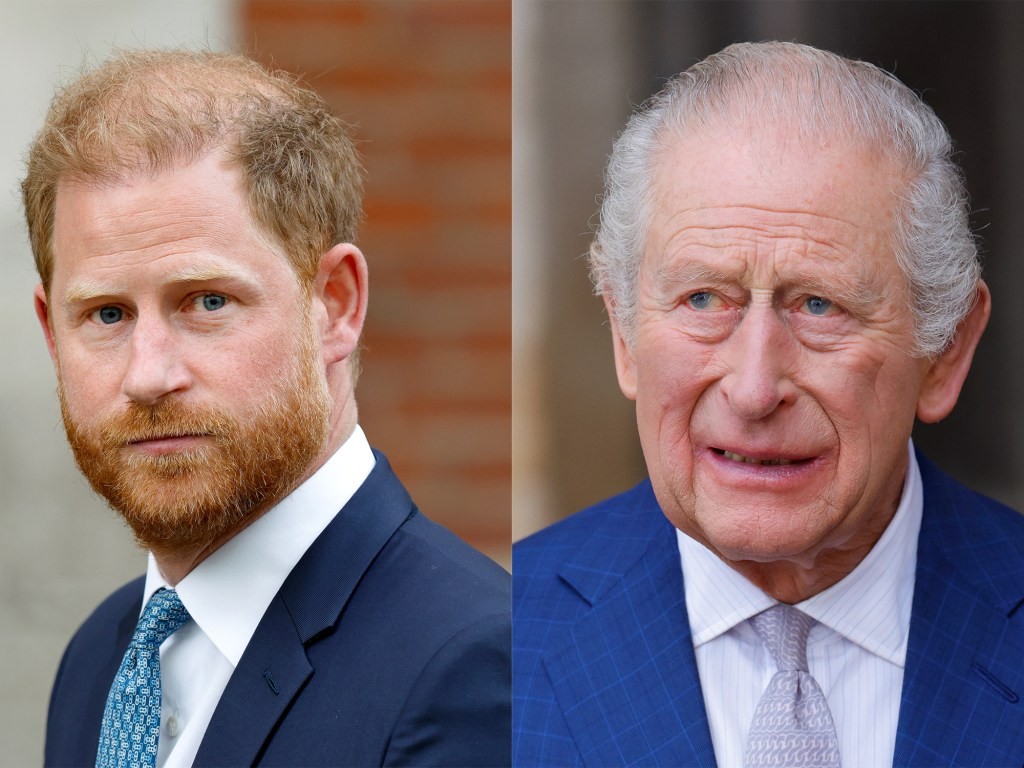
The recent state visit of King Charles III and Queen Camilla to the United States was designed to celebrate the enduring alliance between the United Kingdom and the U.S. on the 250th anniversary of American independence. However, despite the diplomatic agenda, much of the media attention has centered on a glaring absence: the lack of a meeting between the King and his youngest son, Prince Harry.
Prioritizing the State Mission
The decision to keep the King and Prince Harry apart appears to be a strategic move to protect the purpose of the tour. According to royal commentators, a reunion with Harry would likely hijack the news cycle.
John McDermott, a producer of several royal-focused podcasts, noted that the primary goal of the visit is to strengthen UK-US ties. If a meeting were to occur, the focus would shift from international diplomacy to personal family drama, creating “competing narratives” that could undermine the official state business.
The “Branding” Conflict
Beyond the logistical focus of the trip, insiders suggest there is a deeper tension regarding how Prince Harry is perceived by the Palace. Reports indicate that recent activities by the Duke and Duchess of Sussex—specifically a high-profile tour of Australia—have strained relations with Buckingham Palace.
Sources close to the situation suggest that the Palace views the Sussexes’ recent engagements as “quasi-royal,” causing them to distance themselves to avoid being associated with the ongoing media scrutiny surrounding Harry and Meghan.
A significant concern for the Royal Family is the potential for “accidental legitimacy.” The theory is that:
– A single photograph of Harry standing beside the King could be interpreted by the public as a sign of reconciliation.
– Such an image could inadvertently grant Harry a sense of official royal standing.
– The Palace is reportedly wary of Harry using family moments to bolster his personal brand and reconnect with the Crown’s prestige.
A Shadow Over the Diplomacy
Despite the efforts to keep the focus on official duties—which included a meeting with President Donald Trump and an address to Congress—the “Harry shadow” remains persistent. Major news outlets, including The New York Times and TODAY, have continued to raise questions about the rift, proving that even a carefully managed diplomatic tour cannot entirely escape the gravity of the Royal Family’s internal conflicts.
The tension between the King’s diplomatic duties and his personal relationship with his son highlights the ongoing struggle to balance the monarchy’s public image with its private fractures.
In summary, the decision to avoid a meeting is a calculated attempt to prevent family controversy from overshadowing critical international diplomacy and to protect the institutional image of the Crown from being leveraged for personal branding.