


Чи може жувальна гумка стати інструментом у боротьбі з раком порожнини рота?
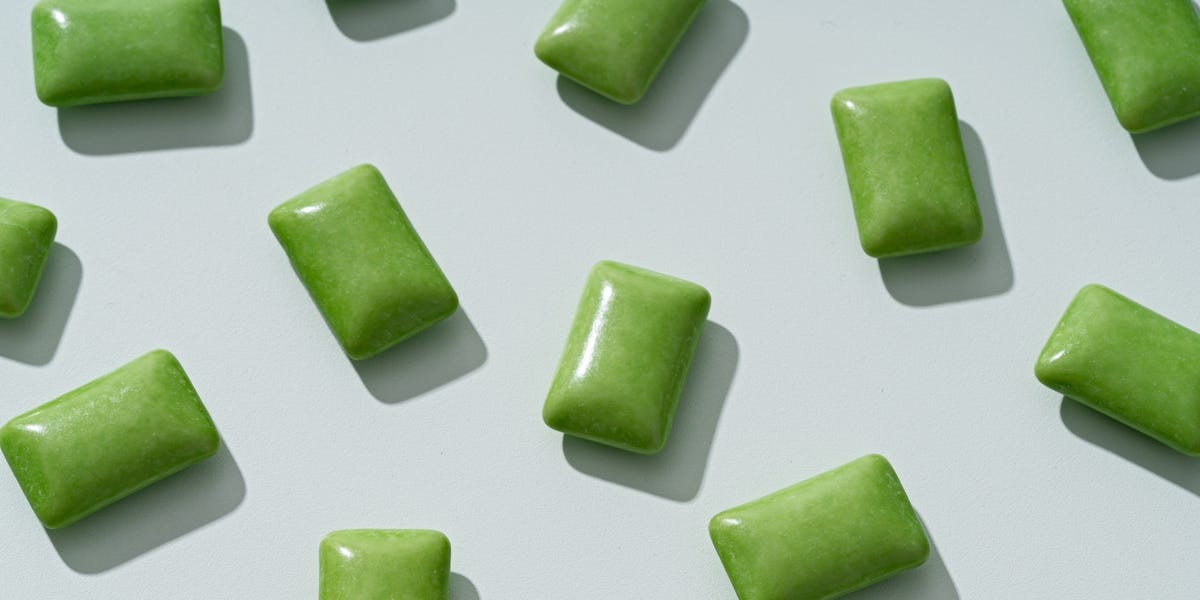
Нещодавні медичні дослідження виявили потенційно інноваційний спосіб боротьби з плоскоклітинним раком голови та шиї (HNSCC) — поширеним видом раку, що вражає рот та горло. Використовуючи спеціалізовану жувальну гумку, вчені зможуть впливати безпосередньо на ті мікроби, які сприяють прогресу захворювання.
Зв’язок з мікробами
Хоча багато випадків раку голови та шиї пов’язані з вірусом папіломи людини (ВПЛ), дослідники все частіше зосереджуються на ролі певних бактерій. Дослідження, проведене під керівництвом доктора Генрі Деніела зі Школи стоматологічної медицини Пенсільванського університету, показало, як деякі мікроби можуть посилювати хворобу:
- ВПЛ: основний фактор зростання захворюваності на плоскоклітинний рак голови і шиї.
- Porphyromonas gingivalis і Fusobacterium nucleatum: ці бактерії особливо небезпечні, оскільки їх наявність пов’язана з нижчими показниками виживання у пацієнтів з нелікованим, рецидивуючим або метастатичним раком порожнини рота.
Інновація: Гума з бобів лаблаб
У дослідженні, опублікованому в недавньому медичному журналі, вивчалося використання жувальної гумки з додаванням білків, отриманих з бобів лаблаб (також відомих як bean gum). Дослідники виявили, що така жуйка може бути високоточною системою доставки як противірусних, так і антибактеріальних препаратів.
Як це працює:
- Противірусна дія: Боби містять білок під назвою FRIL, який зв’язується з поверхнею вірусів, фактично «захоплюючи» їх. Під час тестів ця жуйка знизила рівень ВПЛ у слині пацієнтів на 93%.
- Антибактеріальна дія: Завдяки біоінженерії, до складу жуйки був включений протегрін — антимікробний пептид, який здатний проникати в бактерії та знищувати їх. Одна доза зменшила рівень P. gingivalis та *F. nucleatum практично до нуля.
- Точковий вплив: Що дуже важливо, жуйка нейтралізує ці патогени, не завдаючи шкоди «хорошим» бактеріям, необхідним для здорового мікробіома порожнини рота.
Чому саме жувальна гумка?
Вибір жувальної гумки як основа не випадковий; це вирішує серйозну фармакологічну проблему, відому як розбавлення.
“Пероральні ліки розбавляються в крові і не підходять для концентрованої місцевої доставки безпосередньо до осередку інфекції”, – пояснює доктор Деніел.
Традиційні системні препарати циркулюють по всьому тілу, що може знизити їх ефективність у конкретній зоні інфекції у роті. Жувальна гумка забезпечує концентровану локальну доставку, утримуючи цільові білки саме там, де вони найпотрібніші.
Труднощі та перспективи
Незважаючи на перспективні результати, експерти закликають до зваженого підходу. Дана технологія призначена для того, щоб доповнювати, а не замінювати існуючі методи лікування.
Доктор Паоло Серафіні, імунолог із Медичної школи Міллера при Університеті Майамі, зазначає кілька перешкод:
* Тривалість ефекту: На даний момент неясно, як довго жуйка зберігає ефективність; якщо нейтралізуючий ефект триває лише годину, її клінічна значимість може бути обмежена.
* Профілактика проти лікування: Вакцина проти ВПЛ залишається найефективнішим інструментом запобігання раку голови та шиї ще до його початку.
Що далі?
Дослідження переходять із лабораторій до застосування на людях. Противірусна жувальна гумка в даний час проходить оцінку в Лондоні, а найближчим часом в Пенсільванському університеті очікується запуск аналогічних клінічних випробувань спеціально для пацієнтів з плоскоклітинним раком голови та шиї.
Висновок: Незважаючи на те, що технологія все ще знаходиться на експериментальній стадії, ця біоінженерна жуйка є значним зрушенням у бік локалізованої прецизійної медицини, яка може допомогти контролювати мікробне середовище у пацієнтів з раком порожнини рота.