Night shifts wreck your body. Quietly. And scientists might have found a patch for one of those leaks.
Not a magic bullet. But a lead.
The Broken Clock
Melatonin usually means sleep. Darkness comes. The hormone rises. Your brain says: shut it down. Rest now.
Work the graveyard shift though, and that signal vanishes. Sunlight in the eyes. Alarms. Life moving forward while your internal clock tries to force you to hibernate.
This isn’t just about being tired.
When that nightly melatonin spike doesn’t happen, your DNA repair system stumbles. It’s a mechanical failure at the cellular level. Oxidative damage—the natural wear and tear of just being alive—piles up. Repairs lag.
Long-term night work links to higher cancer risk partly because the body loses its window to fix this molecular damage.
Big health agencies worry. It’s not just insomnia. It’s a breakdown in the machinery that keeps you healthy.
The Experiment
Researchers grabbed 40 night shift workers. Serious ones. Working at least two 7-hour night shifts weekly. No sleep disorders. No major illnesses. Just the grind.
They ran a randomized trial.
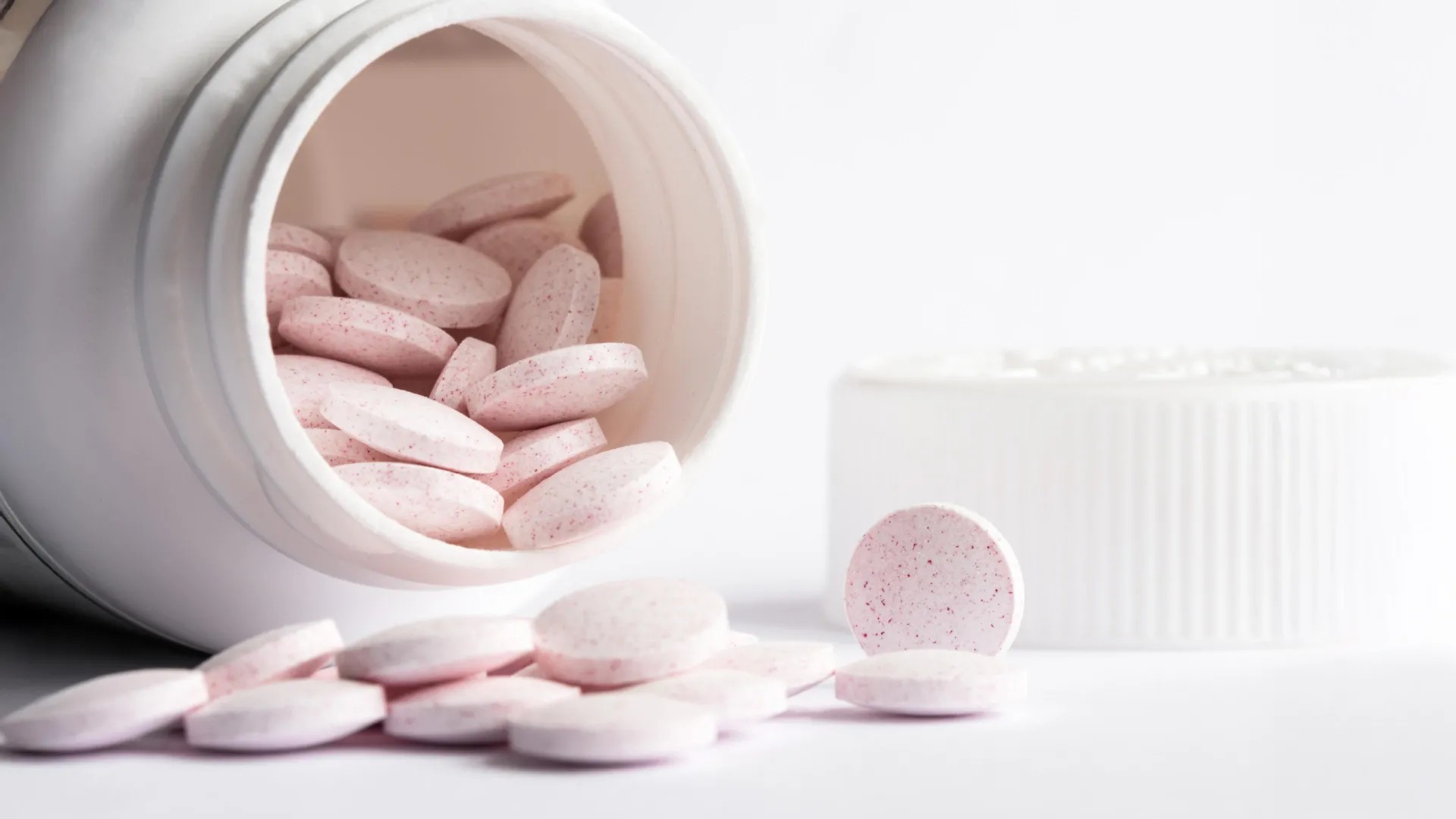
One group took a 3 mg melatonin pill daily for four weeks. Swallowed with food. About an hour before daytime sleep.
The other group? A placebo. Identical. Indistinguishable.
It’s a small number. Forty people. A short window. But they needed a start.
The Biomarker
Here’s where it gets specific.
The team measured urine. Specifically for 8-OHdG. It’s a marker for oxidative DNA repair. When levels go up during sleep, it means the repair crew is active. They are working overtime to fix the mistakes made by daylight or darkness, whichever way you cut it.
They checked two windows: daytime sleep (post-night shift) and the following night shift (while awake).
During that daytime recovery sleep?
Melatonin users saw 8-OHdG levels jump. Eighty percent higher than the placebo group.
Big jump.
During the night shift though? Nothing. Levels stayed flat. No difference between real melatonin and sugar pills. The supplement worked while they slept, apparently not while they worked.
So What?
Maybe it’s nothing. Maybe it’s everything.
The study suggests melatonin might trick the body into thinking it’s still night. Or just providing enough signal to restart the repair enzymes. It bridges the gap between the dark signal they missed and the biological need to heal.
But.
These were healthcare workers. Mostly. Are they different? Maybe. They also couldn’t control for every second of light exposure. Did someone leave their curtains open? Who knows. Light kills melatonin production instantly.
And it only measures one marker. One proxy for DNA health. Not tumors. Not death rates. Just a chemical footprint in urine.
The Bigger Picture
Night shift work is classified as “probably carcinogenic.” That label from the International Agency for Research on Cancer isn’t light. The National Toxicology Program agrees.
The mechanisms are messy. Circadian disruption. Immune drops. Hormone chaos. But this DNA repair angle is a strong candidate. If melatonin helps patch the DNA holes, maybe the cancer risk dips too.
Logic follows. Even if the data is thin.
Wait Before Swallowing Pills
The authors are cautious. Very cautious.
They didn’t tell anyone to pop pills.
They wrote that more research is needed. Bigger studies. Longer times. Different doses.
“Increased oxidative DNA damage… is a compelling mechanism.”
It is. But a compelling mechanism isn’t a prescription.
Think about the timeline. If this works, a nurse or driver would need to take it every night. For ten years? Twenty? Does the benefit hold? Do side effects emerge? We don’t know.
Right now, it looks like melatonin might help night workers hit “repair” mode during their chaotic daytime naps.
Does that keep them safe in the long run?
The answer isn’t ready yet.