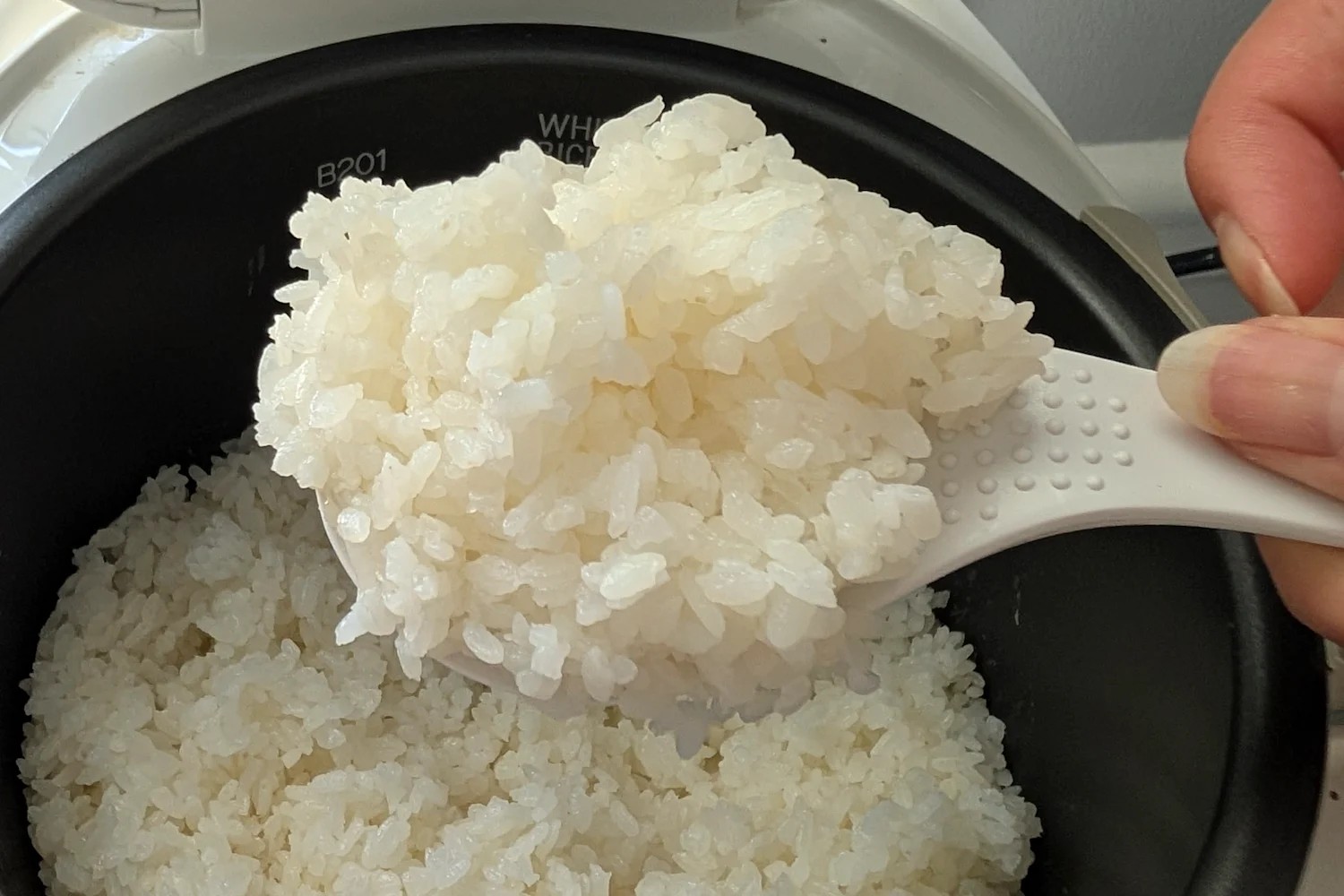
I was a rice snob long before I had the vocabulary to explain why.
Growing up with chefs on both sides of the family changed everything. My dad blended custom rice mixes for his restaurant. He handed them out for nearly free. I could taste the difference between lazy, “just rice” and something crafted with intention. Good rice. Great rice. I rejected the mediocre bowls without knowing exactly why.
That sensitivity sharpened over time. Years ago, I stood in the Lundberg Family Farms fields in California. I talked to Bryce and Brita Lundberg about japonica versus indica strains. I saw the future of regenerative farming with my own eyes. Clearly, I’m obsessed.
But there is a specific kind of magic in Koshihikari short grain rice that nothing else matches.
It is delicately sweet. Fragrant. Fulsome to the touch. It cooks quickly and looks beautiful in the pot. I keep nine different types of rice in my pantry. I checked today. Still nine. When I need comfort, I default to this Japanese variety.
The Climate Secret Behind Niigata’s Crop
Not all rice is created equal. Koshihikari grown in Japan’s Fukui and Niigata prefectures benefits from geography that is almost unfair.
Mountains sandwich these regions against the Sea of Japan. Spring floods melt down the slopes, carrying extra minerals into the paddies. A hot, humid summer feeds the stalks. Then comes the shock: evening temperatures drop significantly.
This cold breath slows the stress biology of the developing grain. The rice gets a break from the daytime sun. It allows the sugars to accumulate.
Heat kills this process. Too much warmth ruins milling quality. It creates chalkiness. It lowers nutritional value. That happens because of density loss during kernel development. Climate change makes this worse. Rising evening temperatures reduce usable rice yields. Fewer shoots. Less grain.
Niigata is Japan’s largest rice-growing region. It produces 97% of this specific disease-resistant strain. As the climate shifts, good batches become rarer. That scarcity drives up the value of the real thing.
Why You Can’t Just Grow Koshihikari Anywhere
You might try to grow this in the U.S. or Australia. You will find people trying. The results? Different.
American Calrose rice was bred from Japanese pearl cultivars. It is not Koshihikari. It has diverged into its own distinct type. Even with shared genetics, nature puts its stamp on the crop. Humans do too.
Koshihikari is typically manually harvested. It is fragile. It requires specific conditions that are hard to replicate outside its native zone. The grains are different because the soil, the water, and the air are different.
This matters because Koshihikari rice texture is unique. It offers a bright, sunny sweetness with a subtle umami backbone. That is more complex than other varieties. You can eat it plain. Steamed. Straight from the rice cooker.
It holds its structure. Even in “Keep Warm” mode, it maintains an al dente bounce. Pearlescent. Firm. Then it yields to a softer center. That structural integrity is why chefs swear by it.
How to Use This Versatile Grain
Most short-grain rices are mushy. Koshihikari stays separated.
It is stickier than fluffy. That stickiness is functional. It holds together under slight pressure. This makes it the ideal candidate for sushi, nigiri, temaki rolls, and hand rolls. The grains don’t fall apart. They bind just enough.
The flavor profile also elevates simple dishes.
- Rice Bowls: It cooks up sweet and gemmy. Translucent edges look stunning. It serves as a superior base for poke bowls or donburi.
- Fried Rice: You don’t need to worry about breakage here. Aggressive tossing with a wok won’t crush the grains like it would with delicate Basmati.
- Porridge: This is controversial. Many say jasmine is best. I disagree. Jasmine breaks down into powder. Koshihikari gently softens while retaining a slight chew.
I mix in short-grain brown rice at a 1:1 ratio. The nuttiness cuts the sweetness. But the key ingredient is amylopectin.
Koshihikari has high amylopectin compared to long-grains. Amylopectin acts as a natural thickener. It creates a gooey consistency that feels soothing. Like warm soup.
It is gentle on the stomach. More digestible than oatmeal for some people. It coats your insides with a jelly-like protection. A warm feeling of well-being follows.
Where to Buy
You want the real thing. Not a substitute.
Koshihikari Short Grain Rice is available online. It often goes on sale. The 4.4-pound bag runs around $14.49 at major retailers. Check Amazon or specialty Asian markets.
The difference between generic short-grain and true Koshihikari is night and day. Once you taste the texture, the sweetness, the resilience in fried rice, you won’t go back.
What is your favorite grain for a cold night? The comments section is open.