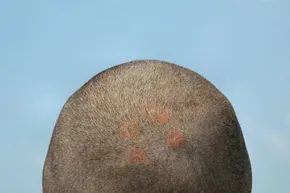
It’s not just about vanity. When you develop a skin disorder, the side effects multiply fast. If you’ve ever noticed unsightly sores on your scalp, you know the feeling. They look bad. They itch. And depending on what’s causing them, they can trigger temporary hair loss.
The good news? You can contain these disorders. The catch is that you need a diagnosis first. Self-treating a scalp sore is a gamble you shouldn’t take.
The Root Causes of Scalp Sores
Scalp sores aren’t a single condition. They are a symptom. Your doctor has to look at the sores to figure out the real issue. The causes range from common fungal infections to serious immune system failures.
- Ringworm is actually a fungal infection, not a worm. It’s common in kids but affects adults too. Look for round, red, swollen patches. You might see small black dots or notice hair falling out in those specific spots.
- Pemphigus is different. It’s an autoimmune disease where your body attacks its own healthy cells. This leads to itchy, painful sores on the scalp and face. It’s rare but dangerous. If you suspect this, see a dermatologist immediately.
- Psoriasis is also autoimmune. Here, your skin cells turn over too fast. Normal turnover takes a month. Psoriasis does it in days. The immature cells pile up, forming itchy, crusty sores.
- Impetigo is a bacterial infection. Bacteria enter through cuts or scratches. If you nick your scalp, wash it with antibacterial soap right away to prevent this.
Then there’s the age factor. Ringworm tends to hit children harder. Pemphigus often targets older adults. But sometimes, it’s just bad luck. An inherited skin disorder can show up for no reason at all.
HIV, AIDS, and Scalp Health
This is a sensitive but necessary conversation. If you are HIV-positive, your immune system is compromised. That makes you prone to skin conditions that cause scalp sores.
You need to be extra vigilant. Avoid preventable issues like ringworm and impetigo. Don’t share personal items. Keep your scalp clean. Your skin is your first line of defense, and when that line is weak, small infections become big problems.
How to Treat Scalp Sores
You can’t treat the symptom without treating the disease.
If it’s ringworm, you’re looking at four to twelve weeks of antifungal medication. You’ll likely use an antifungal shampoo alongside oral meds.
For impetigo, antibiotics are non-negotiable. The bacteria need to be killed off systemically, not just scrubbed away.
Pemphigus is tougher. Treatment involves oral medication, injections, or topical creams. The meds can have serious side effects. Your doctor will monitor you closely. Be prepared for a long haul. Treatment can take years.
Psoriasis requires patience. Everyone responds differently. Your doctor might start with topical treatments. If those fail, they may suggest phototherapy. This exposes your skin to specific lights to slow down cell turnover. As a last resort, oral or injectable medications that adjust your immune system are used.
There is no universal fix. That’s why seeing a doctor isn’t just a suggestion. It’s a requirement.
Preventing Scalp Sores at Home
While you wait for your appointment, you can lower your risk of infection.
- Wash regularly. Don’t let sweat and oil build up.
- Keep it dry. Damp skin is a breeding ground for bacteria and fungi.
- Don’t share. Combs, brushes, hats, and pillows are all vectors. If someone has scalp sores, their hair tools might be contaminated.
- Protect cuts. Any opening in the skin is an invitation for infection. Keep it clean and covered if necessary.
The Hidden Danger: Secondary Infections
Here’s the part most people miss. Scalp sores are vulnerable. Once the skin is broken, secondary infections can creep in.
Ask your doctor. Don’t assume the sore is just a sore. Watch for other symptoms. Heat. Increased pain. Swelling. If something feels off, it probably is.
You’re not alone in this. Millions of women deal with scalp issues every day. The key is stopping the guesswork. Get the diagnosis. Get the right treatment. Keep your scalp healthy.
The rest follows.
When Home Care Isn’t Enough
You can scrub your scalp until it’s pink, but if a sore is already there, home remedies hit a wall. Scalp sores don’t just appear out of nowhere. They’re usually the result of bacteria, viruses, fungi, or an autoimmune reaction. You can manage the symptoms or stop it from spreading in the beginning, but you can’t cure the root cause without a doctor.
Think of it this way. Hygiene keeps the door locked. Medicine unlocks it when something is already inside.
Preventing Fungal Infections at Home
If you suspect you’ve been near ringworm, act fast. Wash your hair with an antifungal shampoo daily for two weeks. This stops the fungus from taking root. You can grab these shampoos at any drugstore. No appointment needed yet.
But here’s the catch. If you already have ringworm, that shampoo won’t fix it. It’s a shield, not a cure. You need a prescription. The doctor will likely prescribe oral medication to take alongside the shampoo. Without the internal treatment, the fungus stays.
Daily Habits That Keep Your Scalp Clear
Cleanliness is the easiest prevention tactic. Period.
Shampoo right after you exercise. Sweat creates a breeding ground for bacteria and fungi. Wash it away before it settles.
If you get a cut on your head, treat it like any other wound. Use an antimicrobial sanitizer. Don’t ignore it.
Stop sharing personal items. Hats. Scarves. Headbands. Hairbrushes. If it touches your scalp, don’t let anyone else use it. Simple hygiene practices drastically reduce your risk of developing scalp sores from common skin conditions.
“If you know you’re already infected with ringworm, antifungal shampoo alone won’t clear up the condition.”
How to Actually Apply Topical Medicine
Most people mess this up. They slap cream on dry, tangled hair and call it a day. That’s inefficient.
First, wash the area. Let it dry completely.
Part your hair. Use a comb to expose the sore. Rub the cream gently into the skin. Don’t just smear it on top of the hair.
Now, wait. Let it dry. Do not wash the area immediately. You’ll just wash the medicine off before it works. Give it time to penetrate.
What Else Should You Know?
Scalp health is part of a bigger picture. Understanding how hair grows, how baldness happens, or how dandruff forms can help you spot issues early.
For instance, knowing how psoriasis works explains why some sores are persistent. Understanding how hair replacement works clarifies why surgical options exist for severe cases. Even something as simple as “is a daily shower too much for your skin” matters. Over-washing can strip natural oils, making your scalp vulnerable.
Sources for these insights range from the American Academy of Dermatology to MedlinePlus. They cover everything from viral skin conditions related to immune health to the specifics of medications like triamcinolone.
The National Institute of Arthritis and Musculoskeletal and Skin Diseases breaks down conditions like pemphigus and psoriasis in detail. WebMD offers overviews on scalp problems and specific treatments for ringworm.
There’s a lot to unpack. Hair isn’t just hair. It’s a biological barrier. Treat it with respect, or pay the price in discomfort.