Nobody wants a carefully applied eye look to smear, crease, or vanish by lunchtime. The frustration is real. If you are tired of your eyeshadow disappearing or settling into fine lines, the issue likely isn’t your skill. It is your product choices and the order of application.
The secret to permanent eye makeup lies in two specific factors: a dedicated eye primer and highly pigmented formulas. Using just eyeshadow on bare skin often leads to a cracked, cakey appearance. This is why an eye base is not just a nice-to-have. It is a critical component of longevity.
Here is how to fix the routine.
Stop Skipping the Eye Base
You might be applying foundation to your face and then immediately going in with shadow. That is a mistake.
“The trick to permanent eye makeup involves an eye base and pigmented products.”
Start with a face primer if you use one. Then, switch to an eye-specific base. This step creates the necessary barrier and texture for the pigment to grip onto. Without it, the oils on your eyelids break down the shadow throughout the day.
Choose High-Pigment Shadows
Cheap or low-quality shadows lack the density needed to stay put. When you select high-pigment products, you use less product to get full coverage. Less product means less chance for creasing. It also means the color stays true from morning to night.
The Correct Application Order
Do not mix up the steps. The order matters for durability.
- Face Primer : Apply to the rest of your face first.
- Eye Primer : Apply a small amount to the eyelids. Let it set for a moment.
- Eyeshadow : Apply your chosen pigment over the primed lid.
This sequence ensures the makeup adheres properly. It prevents the “cracked” look that happens when shadow is applied to oily or unprepared skin.
Why This Matters
Many women skip the eye base because it feels like an extra step. But without it, even expensive shadows will fail. The base locks everything in place. It provides a smooth canvas. It stops the makeup from migrating into creases.
If you want your eye makeup to last, stop treating the eyelid like the rest of your face. Treat it differently. Use the right base. Pick the right shadows. Apply them in the correct order.
The difference is immediate. The look stays sharper. The day feels a little easier.
The Eye Primer Mistake You Are Probably Making
Stop skipping this step.
You might think your eyeshadow looks fine without it. It sits there. It stays put. For an hour.
But then the oil from your eyelids gets to work. The pigment slides down into your creases. Suddenly your look is muddy. And tired. And you spent forty minutes on it.
This is why eye primer matters.
It is not just another product to clutter your vanity. It is a barrier. You apply it directly to the eyelid and the surrounding area. The goal is simple: stop the makeup from melting off or shifting into unwanted shapes.
Think of it like a base layer for a painting. If the canvas is oily or uneven, the paint slips. Primer creates a smooth, matte surface. It grabs onto the pigment and holds it there.
“Primer locks in your look and prevents the dreaded creasing.”
Here is the trap most people fall into.
You slap on the primer. Then you immediately reach for the shadow.
Do not do that.
Your skin needs time to absorb the product. If you rush this step, the primer will remain tacky. The shadow will drag. It will patch up. It will look uneven.
Wait at least fifteen minutes.
Yes. Fifteen minutes.
Use that time to do your eyebrows. Or apply your foundation. Or just breathe.
Let the primer set. Let it dry down to a velvety finish. When your lid feels slightly dry to the touch, that is when you start.
The payoff is huge. Your colors pop. They stay vibrant from morning to night. And you avoid the sad, raccoon-like smudge by dinner time.
It takes patience. But your eyes deserve the finish.

The Concealer Hack That Actually Hides Dark Circles
Stop letting your under-eye circle dictate the rest of your makeup routine. The secret isn’t buying the most expensive concealer; it’s understanding how color theory works on your skin.
Here’s the rule you’ve been ignoring: your concealer must be one or two shades lighter than your natural eye area.
Why? Because a lighter shade counteracts the darkness. If you match your skin tone exactly, you’ll still look tired. If you go too light, you get that cakey, ashen look. You want just enough brightness to cancel out the purple or blue tones.
How to Apply Without Caking
Don’t just slap it on and hope for the best. The application method changes everything.
Start from the inner corner and sweep outward. This mimics the natural flow of light on the face and brightens the entire eye socket.
You have two main tools here:
– A flat brush: Gives you precision. Good for covering specific spots.
– A beauty sponge: Blends the edges so it melts into your skin. Better for a natural finish.
Press, don’t drag. Dragging moves the product away from where you need it. Pressing sets it where it belongs.
Lock It In
Once the concealer is placed and blended, you need to set it. Liquid or cream products slide around. They crease. They disappear by lunch.
Press a translucent powder over the area.
This step is non-negotiable if you want longevity. The powder absorbs excess oils and locks the concealer in place. Without it, you’re just painting your face. With it, you’re actually hiding the fatigue.
It’s simple mechanics. Lighter shade. Inner to outer. Set with powder.

Skip Powder for Cream Eyeshadow
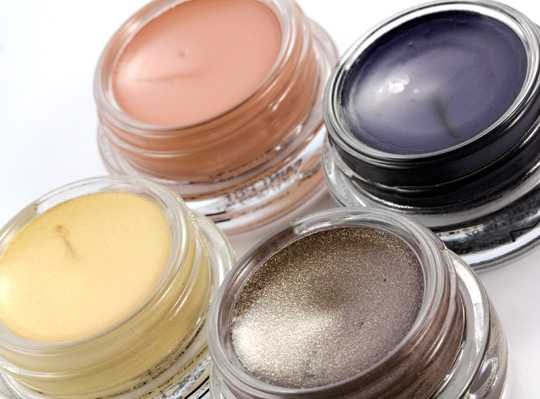
Powder eyeshadow fades fast. It smudges. It migrates into fine lines you didn’t even know you had by 2 PM. Cream formulas hold their ground longer. They stay put.
Which makes them the smarter choice for daily wear. Or any day you need your makeup to survive humidity, stress, or a long lunch.
The application is simple. Dab it on. Blend it out. That’s basically it.
And the color range? It’s huge. You’re not limited to the neutral browns and beiges you see in powder pans. Cream shadows come in every shade imaginable.
“The key is blending until you can’t tell where the color starts or ends.”
You can also layer. Apply a cream base. Dust a powder shadow on top for extra intensity. It works. But don’t overcomplicate it.
The goal is softness. Not harsh lines. You want the color to look like it’s part of your skin, not sitting on top of it.
Blend. Keep blending. Until the edges vanish. That’s how you get that natural, effortless look that doesn’t scream “I tried too hard.”
The Brushwork Behind Flawless Eyes
Eyes are the focal point of any look, but the tools matter more than you think. Blending poorly? It’s often a brush issue.
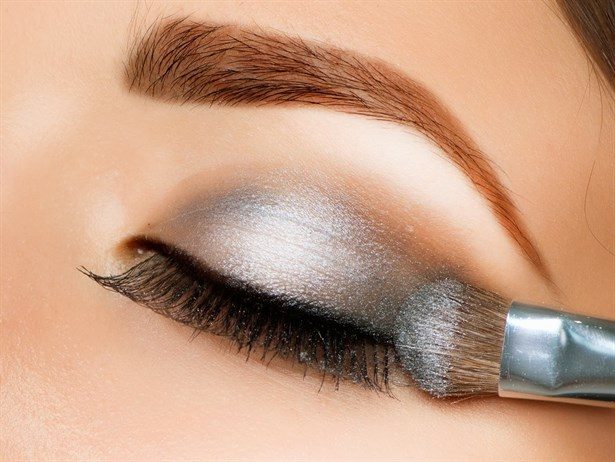
You need a rotation. A dedicated brush to apply your main shadow shade. Another to diffuse the edges. And a specific one for the inner corner highlight.
“A blending brush doesn’t just mix colors—it makes them live together.”
Skip the sponges. Use flat brushes for packing on pigment near the lash line. Switch to fluffy ones for softening those hard lines. Precision here prevents the muddy, smudged look by noon.
Lock It in with Setting Spray
Here is the part of the routine most people skip until it is too late. You have blended your foundation. You have dusted off the blush. You look good. But if you stop there, you are basically leaving the door open for sweat, oil, and humidity to ruin everything by noon.
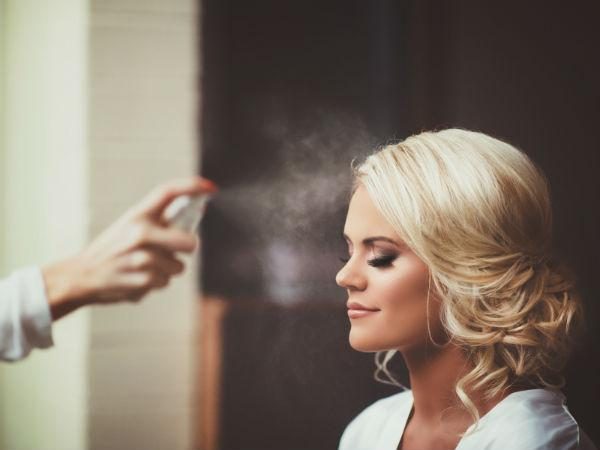
A setting spray is not optional. It is the anchor.
The chemistry is simple enough. These sprays usually contain polymers that form a fine, invisible net over your makeup. This net holds the pigment in place while allowing your skin to breathe. Without it, your makeup sits on your skin. With it, the makeup becomes part of your skin’s surface tension.
“If you skip the spray, you are gambling with your look for the rest of the day.”
This applies to everyday wear, not just weddings or red carpet events. The idea that setting spray is “too much” for a Tuesday morning commute is a myth. In fact, using it daily can extend the life of your entire routine by hours.
How to Apply for Maximum Hold
Most people spray it haphazardly. They do one or two squirts near their face and call it a day. This results in wet patches and uneven coverage.
Try this method instead:
- Hold the bottle about ten to twelve inches away from your face. Closer than that, and you risk diluting your foundation with excess moisture.
- Use an “X” motion. Cross your arms slightly or move the bottle in a crisscross pattern. This ensures even distribution across the forehead, nose, and cheeks.
- Follow with a “T” motion. Vertical strokes from the chin up to the hairline.
- Let it air dry. Do not fan it aggressively. Letting it settle naturally helps the polymers bond correctly.
Choosing the Right Formula
Not all setting sprays are created equal. Your skin type dictates which one you actually need to buy.
For oily skin, look for matte-finish sprays with oil-absorbing powders. These keep shine at bay without collapsing your makeup.
Dry skin types should avoid alcohol-heavy formulas. They will dry you out further and make powder look cakey. Opt for hydrating sprays with hyaluronic acid or floral waters. These add a dewy glow while still providing hold.
Combination skin is tricky. You might need to spot-treat. Spray the T-zone with a matte formula and the cheeks with a hydrating one. Or, find a balanced all-over spray labeled “natural finish.”
Why It Matters More Than You Think
Sun exposure, wind, and even the friction of a face mask can degrade makeup. A setting spray adds a layer of protection. It reduces the amount of transfer onto phone screens, scarves, and masks.
It also prevents the “cracking” effect. When foundation dries out, it can settle into fine lines and create a cracked appearance. The flexible film from a good spray keeps the makeup pliable. It moves with your face instead of breaking apart when you smile.
Skipping this step is like locking your front door but leaving the window open. The effort you put into your base layer deserves to be protected. Spray it. Wait. Move on with your day.
The Water Hack for Longer-Lasting Eye Makeup
You want your eye makeup to stay put? Try spraying a little water on your brush. Don’t soak it. This trick helps your shadow blend better. It also makes the color pop more.

The quiet power of saying no
Most women spend half their lives apologizing for taking up space. We say yes to the extra shift because we don’t want to be difficult. We host the dinner party because we’re tired of being seen as the unhelpful friend. We nod along in meetings because silence feels like failure.
It is exhausting.
Reclaiming your time starts with a single, sharp word. No.
It isn’t rude. It isn’t aggressive. It is a boundary. A line in the sand that says your energy is a finite resource, not an infinite well. When you stop giving everything away, you finally have enough left for what matters.
Redefining the “superwoman” myth
We were sold a lie. That we can have it all, do it all, and look good doing it without breaking a sweat. The marketing industry built an empire on our insecurities. Buy this cream to fix the fatigue. Wear this suit to command respect. Eat this meal to fuel the hustle.
The result? Burnout disguised as ambition.
Real strength isn’t about doing more. It’s about doing less, but with better focus. It’s about protecting your peace so fiercely that noise bounces off. It’s about recognizing that a messy house doesn’t make you a bad mother. A missed email doesn’t make you a bad employee.
Practical ways to protect your energy
You don’t need a dramatic life overhaul. Start small.
- The 24-hour rule: For any request that isn’t urgent, wait a day before answering. Most things lose their urgency. Most requests were never serious.
- Green-light the small stuff: Let the dishes sit. Order takeout. Wear the comfortable shoes. The world will not end because you chose ease over perfection.
- Audit your calendar: Look at the last month. What brought you joy? What drained you? Cut the drain. Double the joy.
It feels uncomfortable at first. Your friends might think you’re cold. Your boss might think you’re lazy. Let them.
The beauty of unfinished business
There is a specific kind of freedom in leaving things undone.
In the past, we tied our worth to completion. To-do lists were our moral compass. Check it off, feel validated. Leave it blank, feel guilty.
Flip that script.
An incomplete project is just a project. It doesn’t reflect on your character. It reflects on your priorities. And if your priority is resting, reading, or just sitting in silence, then the laundry can wait.
Finding joy in the mundane
When you stop striving for “more,” you start noticing what you already have.
The way light hits the kitchen counter in the morning. The taste of cheap coffee drunk slowly. The laughter of a friend who doesn’t expect anything from you.
These moments are not small. They are everything.
Beauty isn’t a surface-level fix. It’s the glow of contentment. It’s the ease in your shoulders when you realize you don’t have to carry the world. It’s the fashion choice made for comfort, not applause.
Relationships without guilt
Friendships shift. They change. That’s okay.
You might outgrow people who only knew you when you were available. That isn’t a betrayal. It’s evolution.
Keep the ones who respect your boundaries