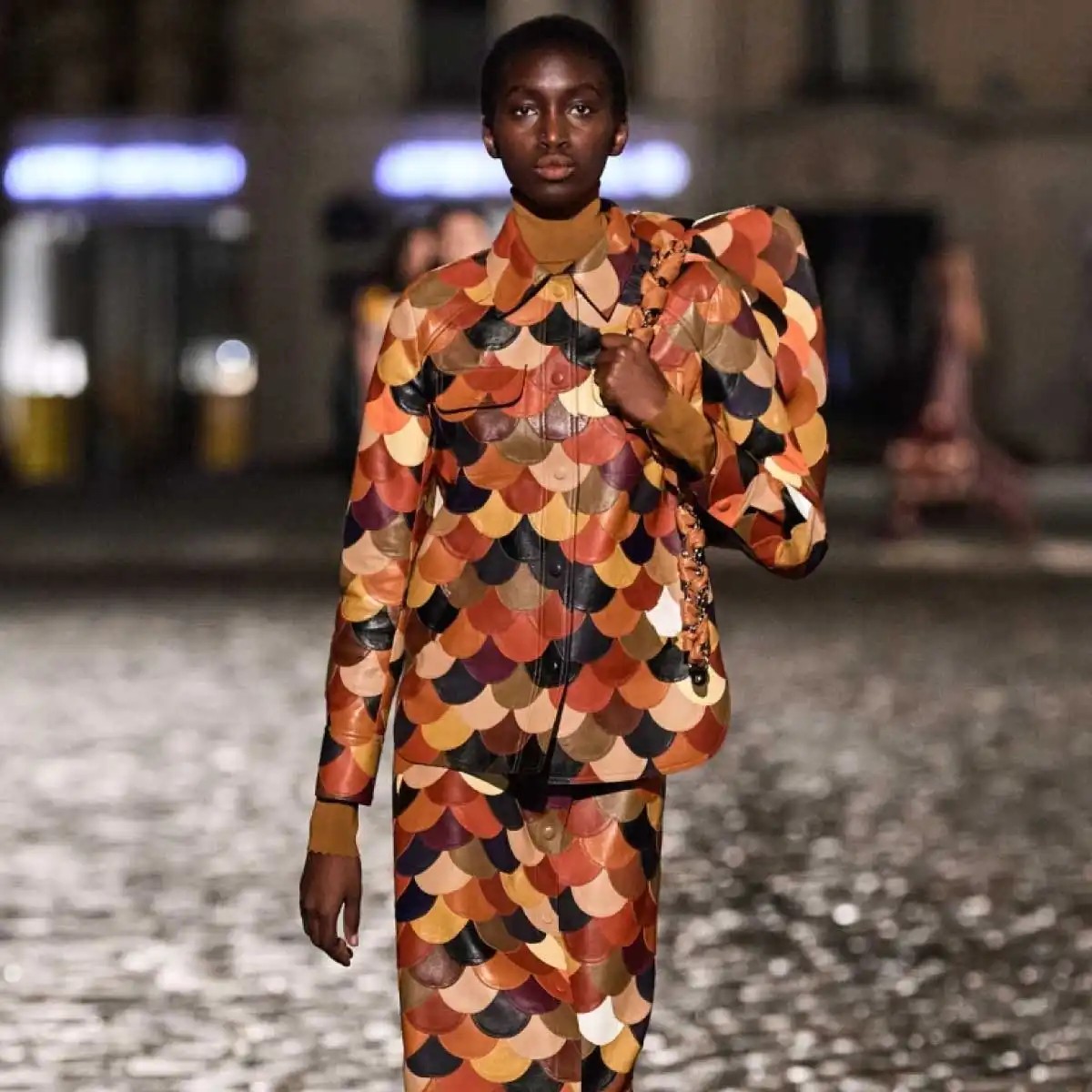
Patchwork fashion is not just a trend, it is the intersection of sustainability and creativity. It is possible to achieve a unique look by repurposing old fabrics. If you are looking for a different style, patchwork clothes and accessories may be just for you.
What is Patchwork Fashion?
Patchwork means combining different pieces to create a new pattern. This technique is a method that you can usually apply in fabric workshops or on your own at home. You can create new designs using fabrics left over from old clothes.
Patchwork fashion supports both environmentally friendly and individual expression. Each piece carries its own unique story. Therefore, patchwork products are ideal to reflect your personal style.
Why Patchwork Is More Than Just a Trend
Patchwork fashion isn’t new. It’s been around for ages, born out of necessity when throwing things away wasn’t an option. Women took scraps of old clothes, discarded bags, and even upholstery fabrics. They stitched them together. The result was a new garment. Today, that same logic applies. But it’s not just about saving money or reducing waste. It’s about style.
Sustainable fashion has become a buzzword. Patchwork fits right in. It reuses materials. It creates something new from the old. But there’s another side to this trend. People who want a unique look gravitate towards patchwork. Why? Because no two pieces are ever the same. The colors clash. The patterns collide. The textures fight each other. And that’s the point.
It’s bold. It’s loud. It’s unapologetic.
Styling Patchwork Clothing Without Looking Frumpy
So, you have a patchwork jacket or a pair of trousers. What now? Don’t overthink it. The key is balance. If the item you’re wearing is busy, keep everything else simple. Think solid colors. Think minimal accessories. Let the garment do the talking.
Patchwork pieces often feature bright colors and daring patterns. Pair them with neutral bases. A white tee under a patchwork vest works. Black jeans under a patchwork skirt works. The eye needs a place to rest. Give it one.
Don’t match the colors exactly. That’s too much. Instead, pick one hue from the patchwork and echo it subtly elsewhere. A shoe. A bag. A scarf. It ties the look together without looking like you tried too hard.
Accessories: The Subtle Entry Point
Not ready to commit to a full outfit? Start small. Accessories are the easiest way to dip your toes into patchwork fashion. Bags made from stitched-together fabric squares are everywhere now. They’re practical. They’re interesting.
Bracelets. shoes Even rings. Designers are taking small scraps and making them wearable art. These pieces add texture to an otherwise plain outfit. They show you’re paying attention to detail.
A patchwork bag doesn’t scream for attention. It whispers it. It suggests you know about fabric. You know about construction. You’re not afraid of a little imperfection.
How to Care for Patchwork Pieces
Washing patchwork can be tricky. The different fabrics may shrink at different rates. Seams can pull. Here’s what to do:
- Check the label. Always. If it says dry clean, trust it.
- If washable, turn the garment inside out.
-Use cold water. Hot water sets stains and can weaken seams. - Lay flat to dry. Hanging heavy patched garments can stretch the fabric unevenly.
- Avoid the dryer if possible. Heat is the enemy of mixed fabrics.
Where to Find Authentic Patchwork Items
You won’t always find these in mainstream stores. Look for:
- Local artisans. Check Etsy. Check Instagram. Small creators are making incredible one-of-a-kind pieces.
- Thrift stores. Buy old patches. Sew them yourself. It’s rewarding. It’s personal.
- Sustainable brands. Many eco-conscious labels now include patchwork lines. They source deadstock fabric. They give it a second
The patchwork trend has recently gained a serious place in clothing wardrobes. These clothes, which are created by combining different fabric pieces, color blocks and patterns, are eye-catching when worn, but require correct matching. The basic rule to avoid creating a complicated look is simplicity.
Choose Simplicity
Patchwork pieces already create visual noise. So keeping other elements simple is the best strategy. For example, balancing a colorful patchwork skirt with a plain white blouse and adding black heels completes the elegance. A line that does not tire the eyes emerges.
Mix Tones
It can be difficult to bring different patterns together. However, ensuring tone harmony is a safer way. Wearing a single color t-shirt over a patchwork skirt dominated by blue and green tones makes the job easier. If you choose the shoe or bag color from this palette, you will ensure unity.
Balance It Out with Accessories
Accessory selection is critical. Instead of a multi-piece, noisy combination, simple but effective pieces should be preferred. If you are wearing a patchwork jacket, a solid color and minimal bag will make this piece stand out. Too much detail overshadows the main focal point.
Use a Strong Piece
If you’re wearing a patchwork dress, you can stiffen it instead of softening it. Adding a black leather jacket adds some nobility and toughness to the outfit. This contrast makes your style more distinct. It ensures that the other parts remain simple.
Match Your Patterns
Matching different patterns within the patchwork is also an option. For example, wearing a striped blouse over a patterned skirt can make two different patterns look harmonious. This combination appeals to the attentive eye.
Features of Patchwork Fashion
A Dynamic Look by Combining Different Patterns
The patchwork fashion trend has been shelved again recently. Those are the moments when you wonder “why is he loved so much?” Combining fabric pieces with different patterns and colors instantly adds energy to the clothes. There is no uniformity. This means that the items you wear become more than just clothes, but a way of expressing yourself. This style, which has an eclectic atmosphere, appeals to users of all styles. Whether you have a minimalist spirit or a pattern lover; This trend is flexible.
Retro Inspirations and 60s-70s Atmosphere
Why do we always look back to the old years? Perhaps the search for freedom of that period is still valid today. Patchwork reflects the relaxed, free spirit of the 60s and 70s. An ideal option for those who are fond of retro style. An approach that brings the texture of the past to the present, rather than imitating the fashion of the time. This nostalgic effect adds depth and story to the clothes. Not just a piece, but a period.
Original Designs and Handcrafted Workmanship
Each patchwork piece is like a work of art. The patterns created by combining different fabrics differentiate themselves from other clothes. It is inevitable that it will attract attention. But more importantly, most patchwork clothes are completed by hand. This detail makes each piece different from each other. The exact opposite of mass machine production. A hand-sewn touch gives a special feeling to the wearer. This prevents your outfit from being a piece that only follows trends.
On Which Clothes Can It Be Used?
Its scope is very broad. It’s not just limited to trousers and skirts. Jackets, dresses, even accessories can carry this trend. This variety depends on how you want to style your style.
- Jackets: A patchwork jacket becomes the main focal point even with a simple underwear.
- Dresses: Long or short, the combination of different pieces of fabric is dramatic.
- Accessories: Capturing this atmosphere through bags or shawls may be a less risky start.
A Natural and Sustainable Approach
Fashion is not just about looks anymore. How sustainable is it? Patchwork is a trend that causes less harm to nature and the environment by using recycled fabrics. Just buy new fabrics
Why Patchwork Still Matters in Fashion and Art
It’s not just fabric. It’s a technique with deep roots in art. Patchwork brings different textiles together to create new patterns. This happens in fashion, sure. But also in wall hangings, bedspreads, and home decor. That intersection is where patchwork thrives. It’s fashion meeting art.
The trend has roots in traditional clothing from various cultures. Pieces of old clothes were stitched together. Later, designers saw potential. Now, major brands include these pieces in their collections. It’s huge.
In the art world, it’s tied to history. American culture holds it in high regard. It’s part of the fabric of home life. Wall hangings and quilts create warmth. They make spaces feel lived-in. Modern artists still use the technique. They mix materials. The results are striking.
Collaboration is common here. Designers work with artists to make unique garments. Artists design decor items using these methods. It’s a shared language.
What defines the trend and when did it start?
Patchwork is a pattern created by joining fabric pieces. The fashion trend gained traction in the 60s and 70s. It wasn’t always mainstream. Now it’s everywhere.
Who should wear it?
Anyone. Every age. Every style. You can mix styles to create unique designs. It’s inclusive. It doesn’t judge.
How to style patchwork pieces
Keep it simple. Pair patchwork items with plain pieces. Let the fabric be the star. Use minimal accessories. They should complement, not compete.
Care tips for your garments
Check the label. Washing methods vary by fabric type. Avoid hot water. Skip heavy detergents. Treat the fabric gently. It lasts longer.
Is it always handmade?
No. You can craft it by hand. But industrial production uses it too. Mass-produced pieces exist. They’re easier to find.
Is sustainable fashion here?
Yes. Recycled fabrics are often used. It’s seen as a sustainable trend. It gives old materials new life.
Will it stay popular?
Trends fade. But patchwork keeps returning. It’s made a comeback recently. Fashion changes. New trends arrive. This one sticks around. Maybe because it’s adaptable. Maybe because it’s human.
Think about the next piece you buy. Does it tell a story?