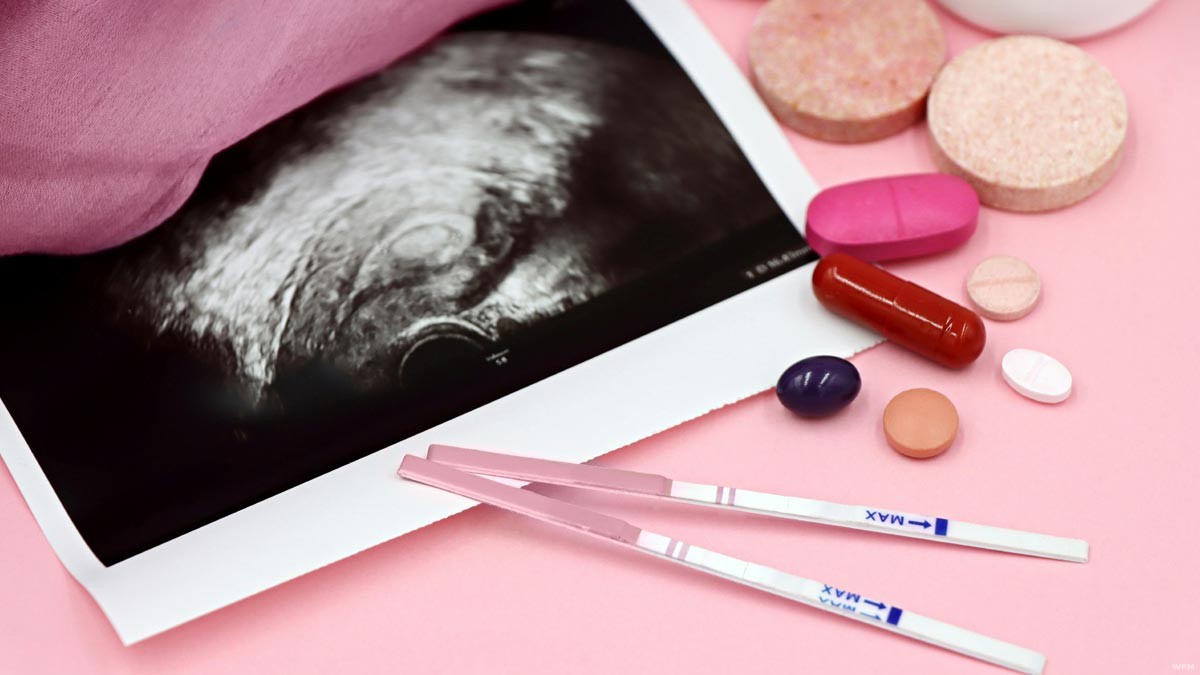
For many women facing fertility challenges, the path to parenthood can be complex and emotionally taxing. When domestic options prove financially prohibitive, time-consuming, or restrictive, seeking treatment abroad is becoming a viable and increasingly popular solution. This guide breaks down the realities of international fertility care, outlining why it’s gaining traction and how to approach it with confidence.
Why Women Are Choosing International Fertility Care
The decision to look beyond national borders isn’t simply about lower costs. While financial savings are a significant driver, other factors play a crucial role. In countries like the United States and the UK, where healthcare systems often lack comprehensive coverage for fertility treatments, the financial burden can be immense. This creates barriers for many women who otherwise would pursue treatment.
International clinics frequently offer:
– Reduced Costs: Treatment abroad can be significantly cheaper, particularly for IVF and egg freezing.
– Shorter Wait Times: Some countries have less stringent regulations or higher capacity, meaning quicker access to care.
– Expanded Donor Options: Access to a wider range of donor eggs, sperm, or embryos is a major draw.
– Personalized Attention: Many clinics prioritize international patients, offering dedicated support and streamlined processes.
The ability to bypass these hurdles makes international care an empowering step for women determined to build a family.
Navigating Fertility Treatment Abroad: What to Expect
The process of receiving fertility treatment abroad is streamlined by modern technology. Initial consultations, medical record reviews, and treatment planning can occur virtually before travel. Clinics typically provide structured timelines, dedicated patient coordinators, and English-speaking medical teams to ensure smooth communication.
Common Treatments Available Internationally
International clinics offer the same advanced procedures as those in leading domestic centers:
* In Vitro Fertilization (IVF): The most widely used fertility treatment, IVF involves stimulating egg production, retrieving eggs, fertilizing them in a lab, and transferring embryos to the uterus. Cost and specialist availability drive women abroad.
* Intrauterine Insemination (IUI) with Ovulation Support: For milder infertility cases, IUI can be an effective first step.
* Egg Freezing (Fertility Preservation): Women delaying pregnancy often travel abroad for egg freezing due to cost-effectiveness and advanced lab standards.
* Donor Programs: Broad donor pools, shorter wait times, and supportive legal frameworks make international donor programs attractive.
* Specialized Care: Clinics often handle complex conditions like PCOS, endometriosis, or recurrent IVF failure with expertise.
Essential Considerations: Legal, Emotional, and Practical Aspects
Fertility treatment is emotionally charged. Traveling abroad adds logistical and emotional layers, making preparation vital.
– Clinic Accreditation: Verify clinics follow recognized medical standards and disclose success rates transparently.
– Doctor Expertise: Seek specialists experienced in your specific condition.
– Legal Framework: Each country has unique regulations regarding donor anonymity, embryo storage, and eligibility criteria. Understand these before committing.
– Communication & Support: Ensure clear communication and access to international patient coordinators.
– Travel Logistics: Plan for multiple visits or short stays, factoring in emotional support and continuity of care.
Popular Destinations: Where Women Seek Treatment
Several countries have established themselves as leaders in reproductive medicine:
– India: Offers affordability and advanced facilities.
– Spain: Renowned for high success rates and legal protections for donors.
– Greece: Provides high-quality care at competitive prices.
– Denmark & Czech Republic: Known for liberal donor regulations and streamlined processes.
Each destination has its own cost structure, legal approach, and medical practices, so thorough research is crucial.
Returning Home: Continuity of Care
After treatment, follow-up care is essential. This includes local blood tests, monitoring, and ongoing communication with overseas specialists. A structured follow-up plan ensures continuity and peace of mind.
Is International Fertility Care Right for You?
The decision to pursue treatment abroad is deeply personal. For some, it’s the most practical path to parenthood, bypassing financial stress, long wait times, or donor limitations. Others may prefer staying closer to home. There’s no right answer – the most important thing is aligning your decision with your medical needs, emotional readiness, and personal circumstances.
Choosing fertility treatment abroad can empower women to take control of their reproductive journey, but requires careful planning, research, and emotional preparation.