Sarah got married a few years back. I stood up, did my duty as the officiant, and then I danced. The guests were mostly early forties. The music was almost entirely from the early nineties. Someone handed me a piece of cake shaped like a cactus. Then they started asking the question. Every single time. How did I meet the bride?
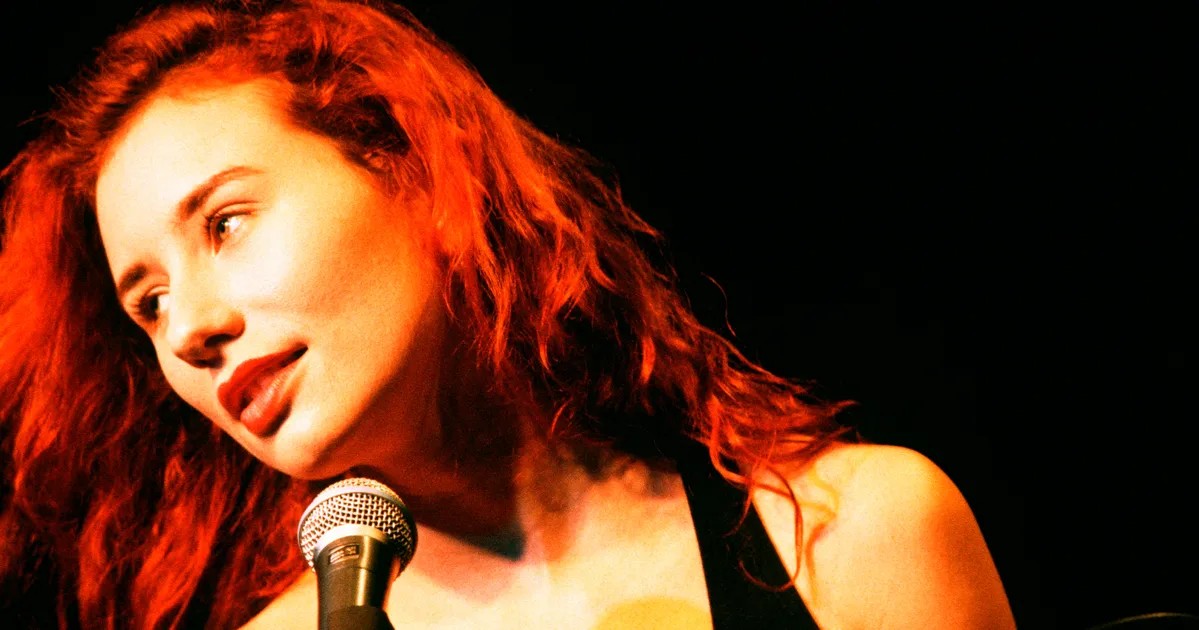
Usually the answer is boring. Work. School. A mutual friend who decided you two should talk. We’re not usually that lucky. Our story starts with a red-headed woman hitting a piano really hard. Tori Amos saved my life. It’s not hyperbole. It’s history.
That was over twenty years ago. Seven of the guests at that wedding I’ve known since I was barely legal to rent a car. We bonded over music before we bonded over anything else. Marriages end. Friendships like ours outlast them. We’re weird about it, sure. But we’re not the only ones. There are dozens. Hundreds. Maybe more. People who met their soulmates or their chosen siblings because a specific song felt like it was speaking their internal language out loud.
I found her in 1992. I was thirteen. That year sucked. Hard. My queerness wasn’t a secret even though I was technically in the closet. It leaked out. Through my words. Through my movement. People punished me for it. They thought I was broken. I agreed with them. Most days I just wanted it to stop. One afternoon after school, while praying for heterosexinity or fantasizing about a painless exit, I caught the video for “Crucifey” on MTV. The world flipped.
She was young. She was intense. She sang about wanting things she wasn’t allowed to want. She sang about shaking off the judgment of everyone around her. I didn’t know her backstory yet. Didn’t matter. Her lyrics hit me like a switch. Click. The lights in the dark rooms of my head turned on. Maybe I wasn’t doomed. Maybe despair wasn’t the only option.
Her music couldn’t pay my rent. It couldn’t fix the hate speech from strangers in the grocery store. But it gave me a reason to keep breathing. It whispered that I might be worth keeping. Hope is a weird thing. It’s fragile. But it’s enough.
AOL changed everything. My parents finally let me online. I spent my nights hunting for anyone else who felt like they were watching life from outside the window. I found a message board. Tori fans. Real people. Real pain. Real relief. I started talking to them. People from cities I’d never visited. Countries I didn’t understand. The map of the world expanded suddenly. I started plotting an escape.
Graduation came. My parents bought me a ticket. It felt like a gift but it felt more like permission. I walked into that theater. I expected loud noises. I expected fame. What I got was ferocity mixed with tenderness. Tori calls us “ears with feet.” I finally understood what she meant. The crowd wasn’t a mob. It was a sanctuary. I felt like I was walking into a house I had never been to but somehow already knew the layout of.
I’ve seen her more than a hundred times since then.
I left Wisconsin. Went to college. Came out. Built a life I actually like. Tori was the glue holding it all together during the messy parts. She tackled the church. She tackled the patriarchy. She tackled grief. She didn’t do it with polish. She did it with grit. Her label didn’t get it. The mainstream didn’t get it. We did. Every new album was like a new cousin coming into the family. Weird but welcome.
From desire to miscarriage to pure joy. The songs covered it. We grew with her. We didn’t just survive. We lived. But it wasn’t just the records. It was her. And the community that orbited her gravity.
Other stars have fans. Tori has family. She held meet-and-greets for free. Decades before that became an industry standard. She didn’t just sign posters. She looked at us. Really looked. It’s hard to explain unless you’ve needed someone to see you so badly that it feels like resurrection.
We camped out in strange parents’ living rooms. We split motel rooms. We traveled from city to city. Sometimes across oceans. We worked odd jobs just to stay on tour buses for weeks. Friends became roommates. Lovers became exes. Babies were born into the fold. People met here. People survived here.
Erin ran away from Los Angeles at sixteen. Just to see the show in Boulder in 1996. Tori played “She’s Leaving Home” that night. Erin says she never had real friends before the board. Never until that clicked. “Oh. This is it.” She wrote me recently. “I just knew these people were family. Many of them still are.”
Then there’s Marco. He moved to NYC from Puerto Rico because of this music. He’d only been to Disney once as a kid. He visited New York in 2001 for the first show. Made friends online. Posted a request for a couch. Carole offered hers. They are best friends now. Two decades later.
Marco says the common denominator isn’t the venue. It’s the music. Utility bills. Changing tires in Iceland. Births. Breakups. He checks the boxes. He builds a life with people he’d never met if Tori hadn’t opened the door.
It goes deeper than friendship sometimes. In 1994 Tori became the spokesperson for RAINN. Before “Me and a Gun,” the song about her own assault, became widely known, she was already working. Survivors found resources. Found voices. Shannon Lambert told me Tori kicked the cameras out backstage. No PR spin. Just talk. Just truth. Shannon road-tripped in 1998. She felt heard for the first time. “Her music was a lifeline,” she said. “It felt like she was singing directly at my pain.”
I’ve worked in media for a long time. Now I’m a friend as much as a fan. I talk to Tori. Regularly. I hear the stories. Countless people tell me their version of this tale. It always ends with survival. With connection.
It’s strange when you realize the power of unapologetic honesty. It dissolves loneliness. It builds armies. Empathy is a radical act in a noisy world. Tori never apologized for the noise.
A few years ago I told her. Face to face. “You saved my life.” I needed her to know the weight of that. The credit wasn’t abstract. She paused. Smiled. “No,” she said gently. “You saved your life.”
She’s right. I’m the one who stayed. I’m the one who fought. But she held the light steady so I could see the exit. She doesn’t claim credit. She just says she does what she must. That music matters. That we matter.
In London last spring Marco sat behind a dad and his teenage son. He assumed the kid was being forced there. A typical dad move. But by the second act? The boy was screaming. Taking videos. Singing every word. Marco realized then. The son dragged the dad.
Twenty years from now that kid might be officiating a wedding too. Maybe not. Who knows. But watching a teenager feel seen? Watching a dad feel the magic? That’s the win.
The tour starts Tuesday in Florida. July 7th. In Times of Dragons is out now. Check the streams. Check the links.
But really. Listen for yourself.