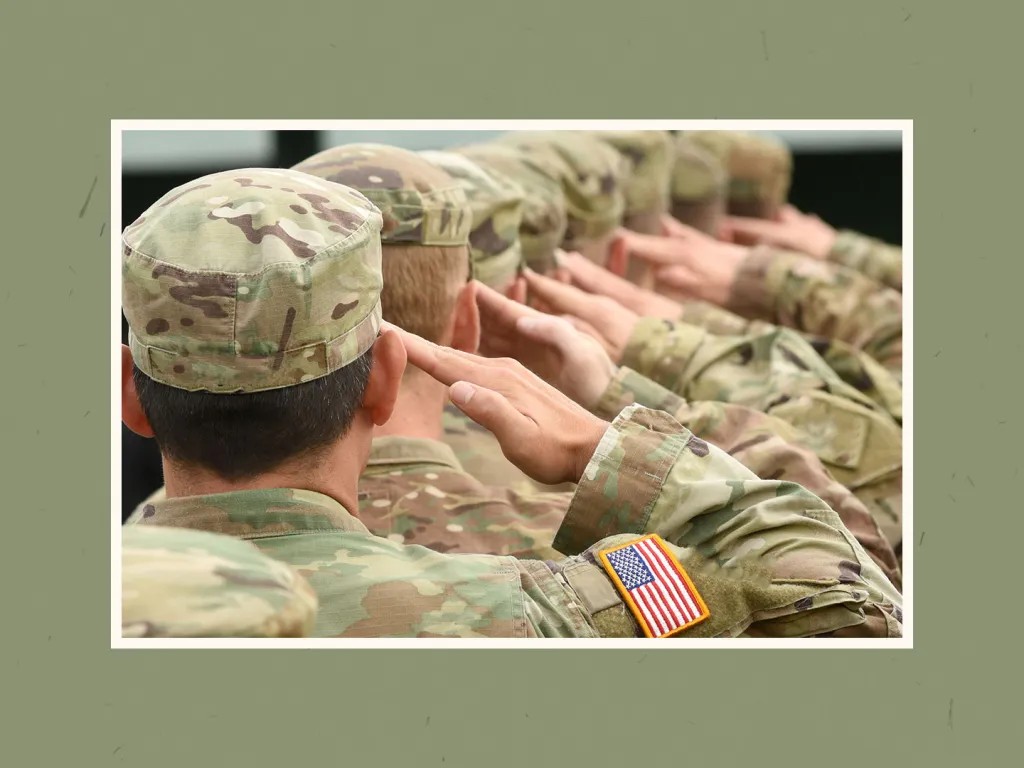
While global tensions in the Middle East and shifting political landscapes often dominate the headlines, a different trend is unfolding on the ground in American cities. Far from being deterred by international conflict, a significant number of teenagers are actively seeking enlistment in the U.S. Armed Forces.
Recent data shows a surprising surge in recruitment: last year, the U.S. military met 103% of its recruitment goals, bringing in nearly 164,000 new service members across all branches. While the average age of enlistment is creeping upward, approximately 150,000 recruits—about 5% of the total—are teenagers fresh out of high school.
The Drivers of Enlistment: More Than Just Patriotism
For many young people, the decision to join is not driven by a single factor but by a combination of economic necessity, family legacy, and personal transformation.
- Economic Opportunity and Education: In an era of skyrocketing tuition costs, the military offers a pragmatic escape route. Programs like the ROTC (Reserve Officers’ Training Corps) and various technical training tracks allow students to pursue degrees and specialized skills—such as welding, forensics, or aerospace engineering—on the government’s tab.
- Family Tradition: For many, service is a “family tree” matter. Recruits often cite a desire to honor parents, grandparents, or even great-uncles who served, seeking to maintain a sense of kinship and heritage.
- Personal Resilience: For some, the military represents a way to prove something to themselves. Whether it is overcoming a life-threatening illness like cancer or finding a sense of discipline through martial arts, the military is viewed as a proving ground for character.
- A Path to Stability: Beyond the classroom, the military provides “life skills” that many feel traditional college environments lack: structured schedules, stable housing, and immediate work experience.
Two Paths: Enlistment vs. Military Academies
The journey into service typically follows one of two distinct routes, each with its own level of prestige and rigor.
1. The Enlistment Route
This is the most direct path, often involving recruiters at college fairs or local offices. It is a practical choice for those looking to gain immediate technical skills or trade certifications. It offers flexibility through programs like the Delayed Entry Program (DEP), which allows high schoolers to commit to service and undergo preparatory training while still living as civilians.
2. The Academy Route
For high-achieving students, institutions like West Point or the Air Force Academy offer a path to leadership. These academies are highly competitive, with acceptance rates often in the single digits. While they provide the prestige of graduating as a commanding officer and the opportunity to study complex fields like law or engineering, they require intense physical and mental commitment from day one.
The Reality Check: Mental Health and Cultural Shifts
Despite the allure of stability and adventure, experts warn that the transition from civilian to soldier can be jarring. Clinical psychologists note that many teens join to “get away” from their current circumstances, only to encounter a culture that is vastly different from what they imagined.
“You join the military as a way to get out, but the culture can be difficult,” warns Dr. Danielle McGraw, a clinical psychologist.
Key challenges include:
* Rigid Discipline: Basic training involves intense physical demands, sleep deprivation, and a high-pressure environment where verbal reprimands are standard.
* Mental Health Risks: Issues such as depression, anxiety, and alcohol abuse remain prevalent within the military community.
* The “Rude Awakening”: The loss of autonomy—including the loss of personal devices and the requirement to follow a strict chain of command—can be a shock to those accustomed to civilian freedoms.
Conclusion
For the modern American teenager, the military is increasingly viewed as a strategic investment in a stable future rather than just a response to war. While the benefits of education and discipline are clear, the decision requires a profound understanding of the mental and emotional rigors that come with wearing the uniform.