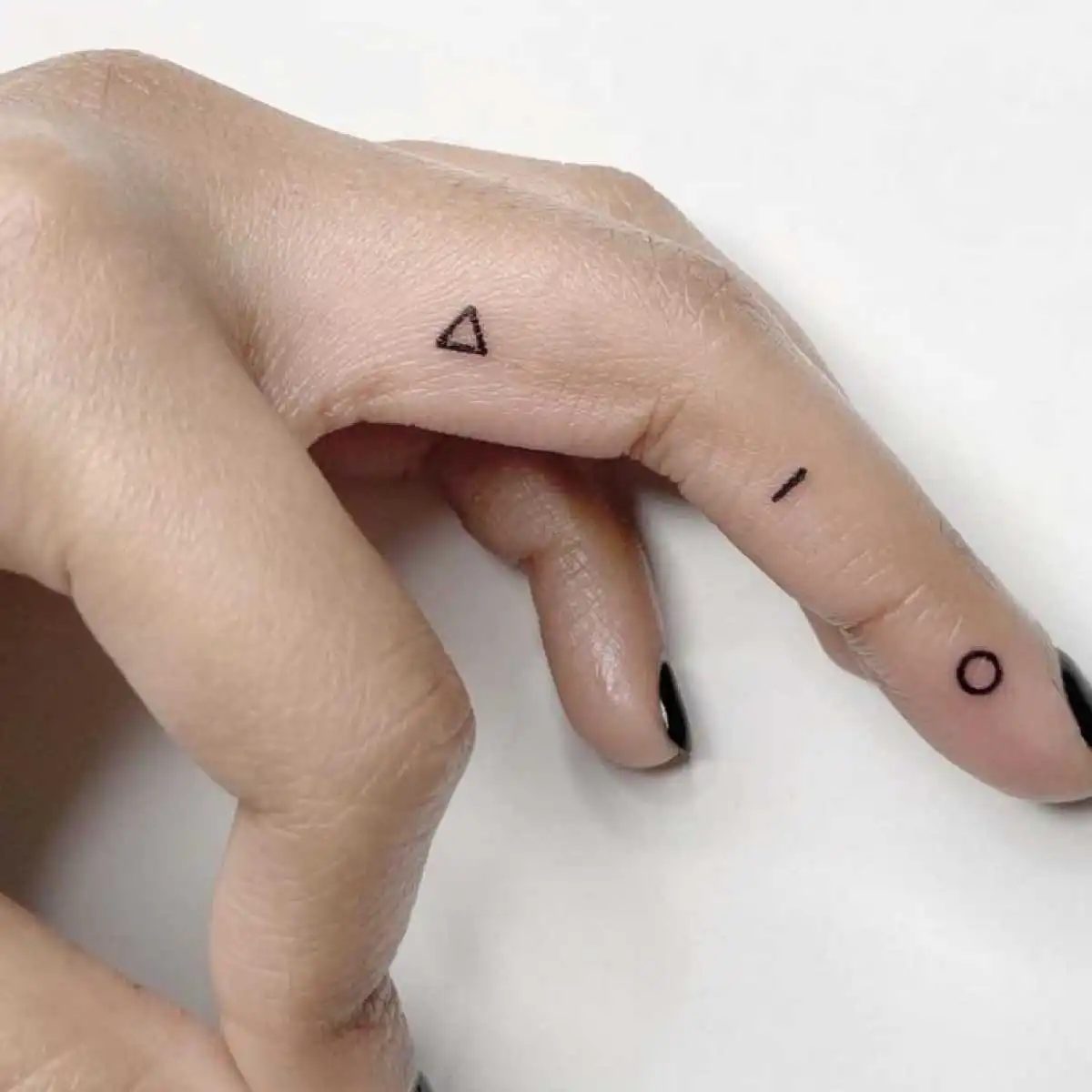
Mini art with your finger is more than just a decoration. They are signatures. Nowadays, when you look at tattoos, the most noticeable thing is on your fingers. Compact style. cute It’s fascinating. But it’s also very impressive.
Why fingers? Because it stands out. This is the perfect place for people who want to express their thoughts and individuality openly. This season’s hit. minutiae Sometimes it’s a sign. It’s also about form. Probably one word. Maybe it’s just one sentence. This information is sufficient.
I have summarized this. What does the finger tattoo trend mean? What effect does it have? Let’s see.
Why Finger Tattoo?
It looks like a tiny line. Just one point. Or a thin ring. Tattoos on the fingers feel very different from large designs done on large, flat areas of the body. Its biggest appeal is privacy. You can put your hand in your pocket if you want, or you can lift the cuffs and leave. This control is a great advantage, especially for those with a minimalist style.
Are you only going to do it on one finger? Or will you sprinkle a symbol on each finger? Options abound. Everything is possible, from geometric shapes to simple flowers, even text with thin lines. Design freedom is high.
You can see this trend on social media, especially Instagram and Pinterest. It is very popular among the younger generations. Why? Easy to maintain. The price is more affordable compared to large tattoos on the shoulder or back. You get fast results.
But wait. Not everything is that easy. Fingers are one of the most mobile parts of the body. It constantly moves and stretches. This may cause difficulty in adhering the ink. There is a higher risk of fading. In addition, the density of vessels and nerves in the fingers is very high. Choosing an expert artist is a must.
Historical Background: Where Does This Passion Come From?
The tradition of finger tattooing goes back a long way. It’s not just a modern aesthetic choice. Its roots go back to maritime culture. In the past, sailors would mark which ports they were going to by making a dot or line on each shore. It was like a personal map.
Additionally, in some cultures, fingers carried important symbols. For example, in the Indian subcontinent, the tradition of henna tattoos still persists, especially among women. These temporary tattoos are applied to the fingers, palms and wrists. Although it is short-lived, it is part of rituals and celebrations.
In the Western world, finger tattoos became popular again in the second half of the 20th century, along with counterculture movements. Being small, rebellious and eye-catching became a tool in young people’s search for identity. Nowadays, with the influence of social media, traces of this past meet with a modern aesthetic understanding.
So, that little finger tattoo you got today is a continuation of a story that’s been going on for centuries. You establish both a personal and historical connection.
Design Options: Which Style Is For You?
Fingers are narrow areas. So be careful when choosing a design
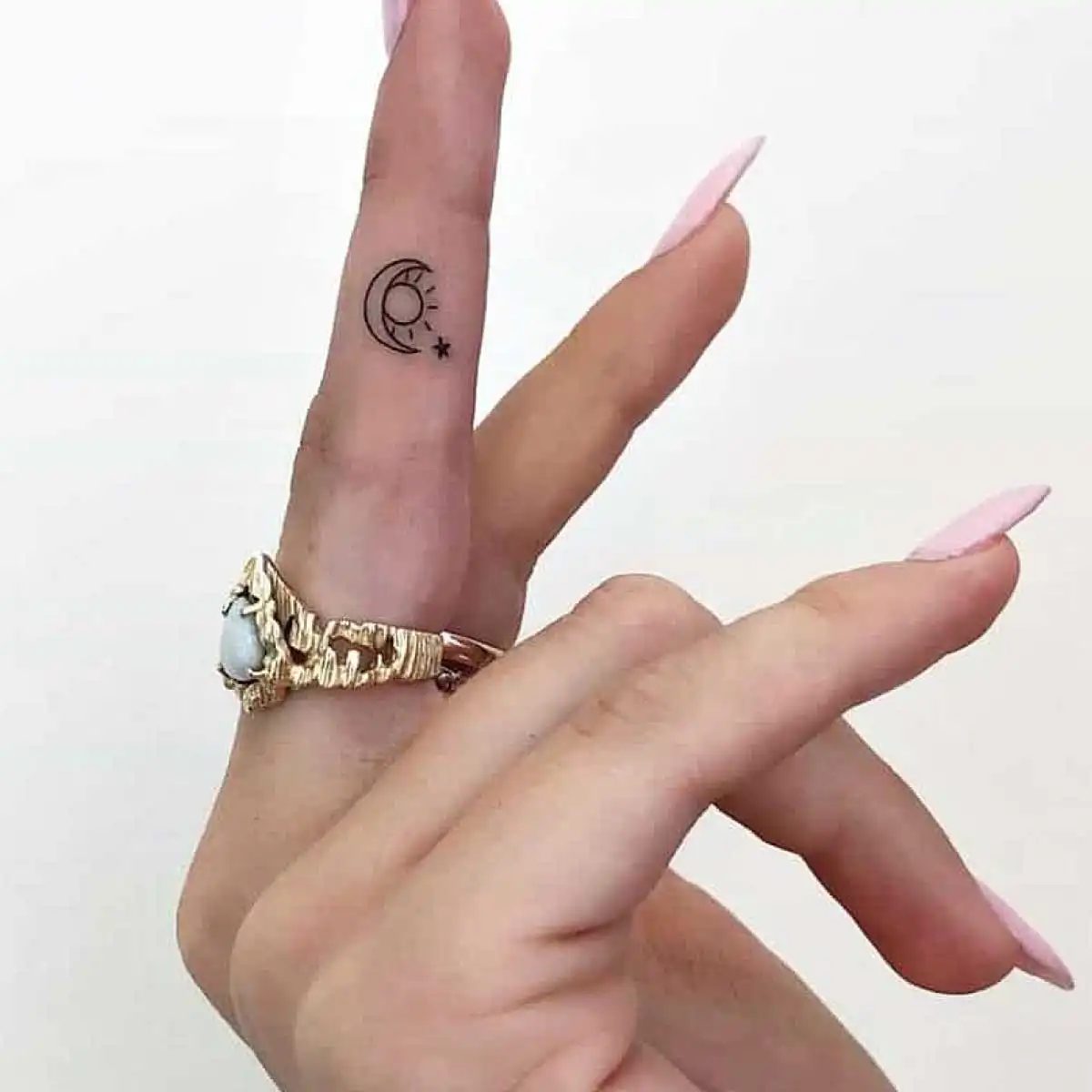
Fingers are the most mobile parts of the body. This mobility creates one of the most challenging areas of tattoo art. Today finger tattoos are not just a fashion trend. It is also a form of personal expression. However, before making such a decision, it is essential to understand the technical details of the process.
Why Are Fingers Different?
Fingers heal faster and tend to fade faster than other body parts. The structure of the skin is different here. Fat tissue is low. Skin thickness varies. This has a direct impact on the way the ink is retained.
Generally, two types of finger tattoos are preferred:
– Upper surface (knuckle): The outer part where the joints are located.
– Side: Inner or outer edges of the fingers.
Upper surface tattoos are more visible. However, it may wear out faster over time. Side surface tattoos are more sensitive. Here the thickness of the skin is less. The level of pain is usually higher.
Pain Level: What to Expect?
Many of those who do not tattoo fingers say that the pain is unexpectedly high. From where? Because nerve endings are concentrated in this area. The bone is very close to the skin.
The degree of pain varies from person to person. But the general acceptance is this:
– Finger joints are the most painful area.
– Thumb and index finger are more sensitive.
– Little fingers are generally more tolerant.
Being prepared for the pain will help you get through the process more easily. Since the skin thickness is thin, needle contact is felt more clearly.
No Ink Retention Problem
The biggest disadvantage of finger tattoos is their difficulty in adhering. We wash our hands constantly in our daily life. Soap, water, contact and friction dissolve ink. Therefore, finger tattoos require more frequent touch-ups than other areas.
To extend the life of your tattoos, these steps should be followed:
1. Not keeping it wet during the healing process.
2. Use sunscreen.
3. Protecting hands as much as possible.
Choosing a Tattoo Artist
Not every tattoo artist is suitable for finger tattooing. Experience is important. Fingers are small and trained. It is difficult to keep steady. There is no margin for error.
- Choose an experienced artist.
- Check out the finger samples in his portfolio.
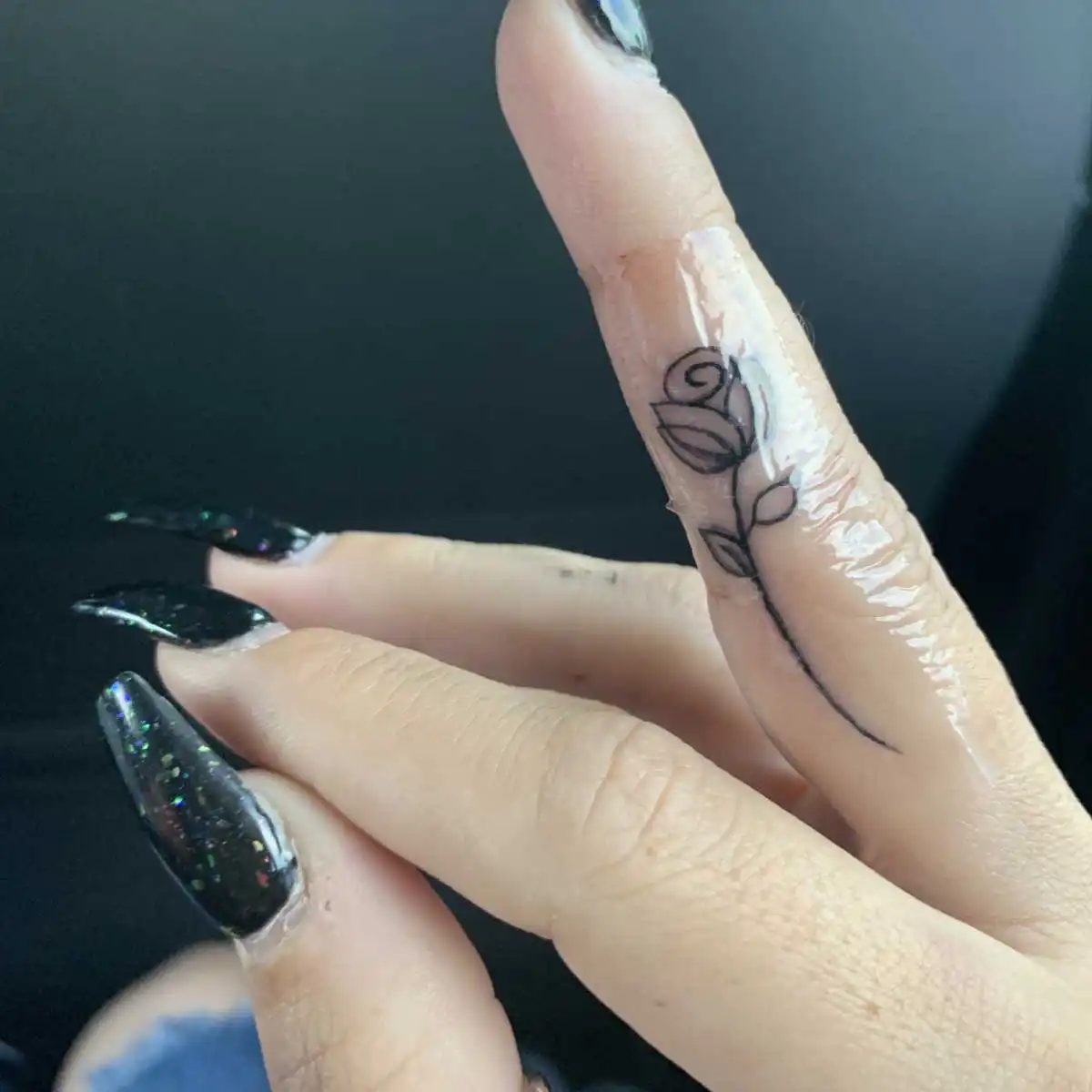
Choosing a finger tattoo is not a random decision. The skin is thin, constantly moving and fading quickly. It’s beautiful, yes. But it requires respect.
Choose the right artist to create amazing works
Hands are always visible. You can’t hide bad work there.
That’s why choosing an artist is the most important step. You need someone who specializes in small, detailed hand and foot work. Generalists may struggle with flexing and tightness of the skin on their fingers.
Find your portfolio. Have they had finger plastic surgery before? Is it possible to improve the lines in the picture? If your artist hasn’t mastered the art of getting ink on knuckles or fingertips, walk away. The margin of error is very small. A single oversight can render your design irrelevant in a matter of months.
Location is more important than you think
Not all fingers are created equal.
Pain levels vary greatly. Extreme pain in sides and knuckles. The skin is close to the bone. The buffering effect is minimal. Avoid the upper part of the joint if you are sensitive to pain.
However, the pain is temporary. The investment affects a lifetime. The color fades faster in areas with high friction, such as the pads of the fingers and between the knuckles. These stains need to be washed, scrubbed or scrubbed regularly.
Many people choose the index finger side or the ring finger side. This is a compromise. Although it is visible, there is less direct wear than on the hand. The thumb is also a popular spot, but be careful as the thumb pad has thick skin and can repel ink if not done correctly.
Size and Design Limitations
Complex murals cannot be made to fit your fingers.
Keep it simple. Thicker lines are the best. Fine lines blur or disappear quickly as the skin heals and sheds. Geometric shapes, single words or small symbols translate best.
Discuss the design with your artist ahead of time. They tell you what works and what doesn’t. Don’t fight with them about this. Their experience with hand healing rates is priceless. A model that looks great on paper may look like dirt on your skin after six months.
Maintenance reality check
Finger tattoos fade faster than back or thigh tattoos. It’s biology, not bad engineering.
You wash your hands hundreds of times a day. Touch the object. Scrub the surface. The surface layer of the skin regenerates quickly when it absorbs the ink.
To maximize longevity:
– Follow the aftercare instructions for the first two weeks.
– Always moisturize. If your skin dries out, it may peel or the ink may come off.
– Avoid damaging the scab.
– Wear gloves when doing dirty work or using strong chemicals.
Exposure to sunlight can cause finger tattoos to fade faster. If you want the color to last longer, protect your hands from direct sunlight.
Honesty about fading
I want to be clear. Finger tattoos often require touch-ups.
This is normal. Don’t be shocked if the artist recommends touch-ups after three months. The skin on the hands is not good. Even with perfect care, fading is inevitable.
Some people like the temporary nature of it. It changes with you. Others are annoying. Understand your mindset before making any commitments. If you want a tattoo that will last decades without maintenance
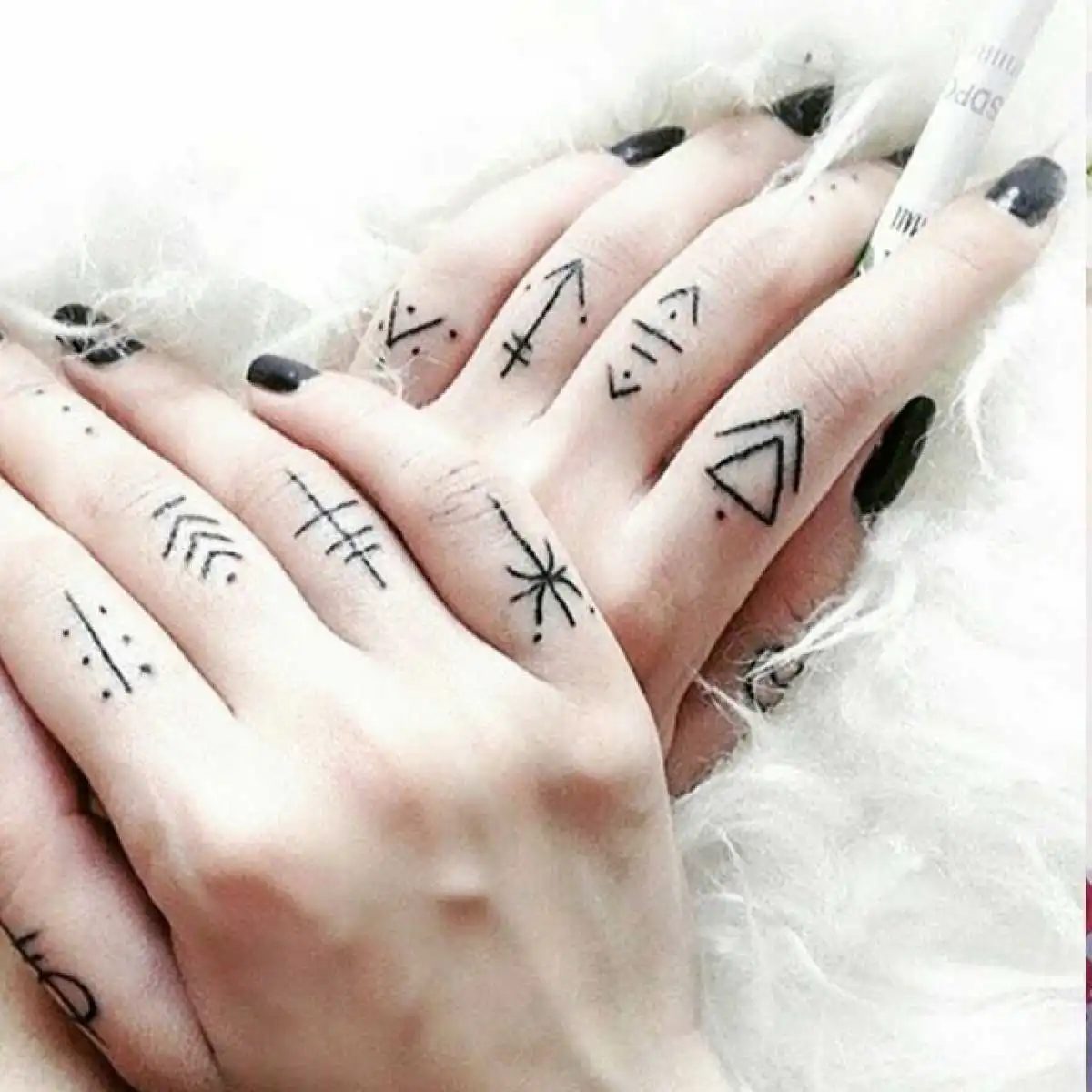
Why finger tattoos are the ultimate minimalist statement
You want something small. It whispers your story instead of screaming for attention. This is where minimalist design wins. It’s practical. You can write, wash dishes and wave without having to cover the ink with a long sleeve. Aftercare? This is minimal compared to larger tattoo areas that require constant repair.
Let’s see what’s trending.
Alphabets and numbers in ink
This is personal. We’re not talking random doodles. We are talking about initiation. The first letter of your child’s name. The day I moved to a new city. Your specific number is unique to you. This is your password under your skin.
Symbol mark
The heart. Star. moon It’s everywhere, but it feels different on your fingers. Maybe you are an astrologer. Maybe you like the night sky. Or maybe you just like the shape. These symbols reflect personality or remember loved ones who have died. This is intimate ink.
Natural elements
For plant people. Lover of nature. Think of grape leaves. Branch. It’s a feather. butterfly The design is perfect for the fabric of slender fingers. We bring some of the outdoors indoors.
Animal print
Cat. dog. bird. horse Even if you have a small space, if you want to be bold, choose a lion. It shows your love for animals. little wolf Simple cat silhouette. It is very cute. This makes sense. This is yours.
Geometric minimalism
triangle line shape This is the peak of the trend. If you like clean lines and sharp angles, this is the place for you. Fits well with modern aesthetics. No confusion. Just shape and space.
Is the pain worth it?
Let’s be honest about needles.
Your fingers aren’t where the ink tends to get stuck. The skin is very thin. Almost no fat. You are getting close to the bone. It hurts more than your shoulder. like your calves However, pain tolerance varies from person to person. Some people turned away. Some people don’t blink.
How long does the healing process take?
Wait about 2-4 weeks. This is a standard window. But fingers are hard. I use it all the time. Wash your hands. type Open the bottle. All this friction affects healing. If you neglect aftercare, the ink can fade quickly. Keeping it clean and moist will help calm it down.
Do they last forever?
Perhaps. Probably not.
Other parts of the body can hold the ink better. Fingers rub everything. soap water friction Here, the skin regenerates faster. Finger tattoos can fade in a few years. Or you may need touch-ups sooner than other areas. It’s not as permanent as you think. That’s part of the appeal for some people. This is temporary art.
Is it safe?
The risks are real. Infectious diseases are a major concern. Your fingers touch everything, so they get dirty easily. We are looking for a tattoo artist who pays attention to hygiene. Sterile needles. A clean workspace. There are no shortcuts. If you cut corners, you risk infection. Don’t risk your health for a small tattoo.
Who should pass?
If you have an open wound on your hand. Skin conditions such as eczema and psoriasis. Infections. Or if your finger movements are limited. If you cannot keep the affected area in place and clean during the treatment, skip the treatment. Your hands are meant to live, do not endure the pain of misplaced ink.
This trend is increasing because we want less. Less noise. Less commitment. It’s just a small mark.
It doesn’t apply to everyone. Fading is real. The level of pain is even higher. Touch-ups are needed. But for those who want a subtle reminder, it works.
If you are nervous, you can touch up. You can tell by washing your hands. It becomes part of your daily rhythm.
What would you choose? letter? lines? Or is it something else entirely? The canvas is small. The choice is yours.