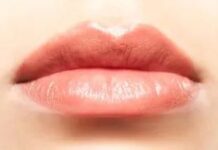
Your lips are small. They do a lot of heavy lifting. You use them to talk, to eat, to show emotion. But they are fragile. Unlike the rest of your skin, they lack natural protection. No oil glands. No sweat glands. Just thin skin sitting right over blood vessels. That is why they crack. That is why they dry out in the wind.
It is a miracle we get so many products dedicated to fixing them. But standing in the drugstore aisle, staring at a wall of tubes and pots, is overwhelming. There is gloss. There is lipstick. There are balms with fruity scents and organic oils. It is a trial-and-error maze.
Here is the truth: moisturizing your lips isn’t just about looking pretty. It’s about skin health. But picking the right lip balm requires knowing what goes into it. And what stays out.
What Actually Works in a Lip Balm
If you want to stop the chapping, you need to understand ingredients. Not marketing claims. Ingredients.
Color vs. Bare Minimum
First, decide if you want color. If yes, look for moisturizing glosses or lipsticks with glycerin. Avoid matte finishes. Long-lasting formulas suck the moisture right out. They make lips look worse by the end of the day.
If you don’t need color, skip to the balm section. You are looking for emollients. These are ingredients that soften and hydrate the skin.
Petrolatum is the gold standard. It is a hydrocarbon mixture approved by the FDA. It works. Beeswax, cocoa butter, and almond oil are also common. They work well for most people.
However, if you have oily or easily irritated skin, steer clear of heavy butters. Look for water-based emollients or glycerin. They are lighter. Less likely to clog pores or trigger sensitivity.
The Fragrance Trap
Here is where people go wrong. They pick lip balm based on scent. Peppermint. Camphor. Cherry.
Stop.
Fragrances and flavors are often irritants. They can cause drying. They can cause allergic reactions. If your goal is healing dry, cracked lips, less fragrance is better. In fact, unflavored is best. You are treating a skin condition. You are not trying to taste like candy.
“If you are concerned mainly with moisturizing your lips, then less fragrance is better. Many fragrances… can cause skin irritation or drying.”
Why Licking Your Lips Makes It Worse
You know the feeling. Lips get dry. You lick them. For a second, it feels good. Wet. Cool.
It is a lie.
Saliva contains digestive enzymes. When it evaporates, it takes your natural moisture with it. It leaves your lips even drier than before. The more you lick, the worse it gets. It is a vicious cycle.
Your lips need a barrier. They need something to seal in hydration. Think of it as artificial sebum. Your skin produces sebum to keep moisture in. Your lips produce nothing. So you have to provide the protection manually.
This is especially true if you are on certain medications. Isotretinoin (Accutane) is notorious for drying out the entire body, lips included. If you are on acne meds, a high-quality lip moisturizer is not optional. It is essential.
Sun Protection and Safety
Many lip products include sunscreen. That is good. Your lips get sunburned too. But be careful.
Some sunblock ingredients are unsafe if swallowed. Para-aminobenzoic acid (PABA) is one. It can cause poisoning if consumed in significant amounts. Don’t lick your lips while wearing sunblock. Just don’t.
When looking for sun protection, check the label. If you can’t pronounce it or if it sounds like a chemical weapon, skip it. Stick to brands that are transparent about their SPF ingredients.
The “Addiction” Myth
Can you get addicted to lip balm?
Technically, no. The ingredients do not cause physical dependence. You won’t have withdrawal symptoms.
But psychologically? Maybe. If you get used to the soft feeling a balm provides, the return to dryness feels much more acute. You notice the crackle. You notice the tightness. So you reach for the tube again.
It is not addiction. It is just habit. And habit can be broken if you find a product that works long-term. Not just for the immediate softness, but for lasting hydration.
Why Lips Need Special Care
Let’s go back to the anatomy. It is simple.
- Thin Skin. The skin on your lips is much thinner than on your face or arms.
- No Oil Glands. They do not produce natural oils.
- High Blood Flow. This gives them their color. It also makes them more susceptible to environmental changes.
Because of these three factors, lips dehydrate faster than any other part of your body. Cold wind strips them. Dry air sucks them out. Sunlight damages them.
Medications like isotretinoin exacerbate this. Environmental factors attack this. The only solution is external support.
Choosing a lip moisturizer is a small decision. But the result affects your comfort, your health, and your confidence. Do not settle for a product that smells good but does nothing. Look for the ingredients. Avoid the irritants. Stop licking.
The right balm exists. You just have to read the label.
There are more factors to consider, particularly regarding specific lip care routines and how to integrate these products into a daily regimen. But for now, start with the basics. Find a balm that seals moisture. One without the perfume. One that actually works.
Your lips will thank you.
### The Science Behind the Stick
The obsession with lip care isn’t just vanity. It’s biology. Lips lack the same protective outer layer as the rest of your face. They have fewer oil glands. They dry out fast. This is why finding the right product feels less like a choice and more like a necessity.
### Why Your Lips Keep Cracking
If you’re constantly chapped, it’s not always about weather. It’s often about ingredients.
Many popular balms contain menthol, camphor, or phenol. These create a tingling sensation. It feels soothing in the moment. The tingling actually irritates the skin. It triggers more dryness. You apply more balm. The cycle repeats.
Paula Begoun and dermatologists note that this is a common trap. The temporary relief masks the underlying irritation.
### Breaking the Balm Cycle
How do you stop the cycle?
Stop using the tingling balms. Switch to simple, occlusive ingredients. Look for petrolatum, beeswax, or shea butter. These seal in moisture. They don’t irritate.
If your lips are severely cracked, a doctor might recommend a hydrocortisone cream. But for daily maintenance, simplicity wins.
“The best remedy for chapped lips is to stop irritating them and start protecting them.” — Dr. Andrew Weil
### Is Lip Balm Addictive?
The word “addictive” is misleading. Your body doesn’t crave the balm. Your skin craves moisture. When you apply a balm that strips natural oils, your lips become drier than before. You apply more. It feels like addiction. It’s a dependency on the product’s failure.
Once you switch to a non-irritating balm, the urge disappears. The skin heals. You need less product. The cycle breaks.
### Beyond the Lipstick Tube
Lip care extends beyond the tube.
Lip Enhancement: Procedures like fillers work by adding volume. They don’t change texture. Hydration remains key.
Collagen Injections: These target deeper lines. They don’t solve surface dryness.
Famous Lips: From Marilyn Monroe to modern influencers, full lips are idealized. But healthy lips matter more than size. Peeling, cracking, and bleeding are not glamorous.
### When to See a Doctor
Most dry lips resolve with better products. But some cases require a doctor.
- If lips are swollen.
- If you have blisters.
- If cracking doesn’t heal after two weeks of proper care.
Lip moisturizer poisoning is rare but possible if you ingest large amounts of certain chemical-heavy balms. Stick to food-grade ingredients when possible.
### The Bottom Line
Your lips are a mirror of your overall health. Hydration matters. Sun protection matters. Ingredient awareness matters.
Stop chasing the tingle. Start building a barrier.
The right balm doesn’t tingle. It disappears. You forget you’re wearing it. That’s the goal.