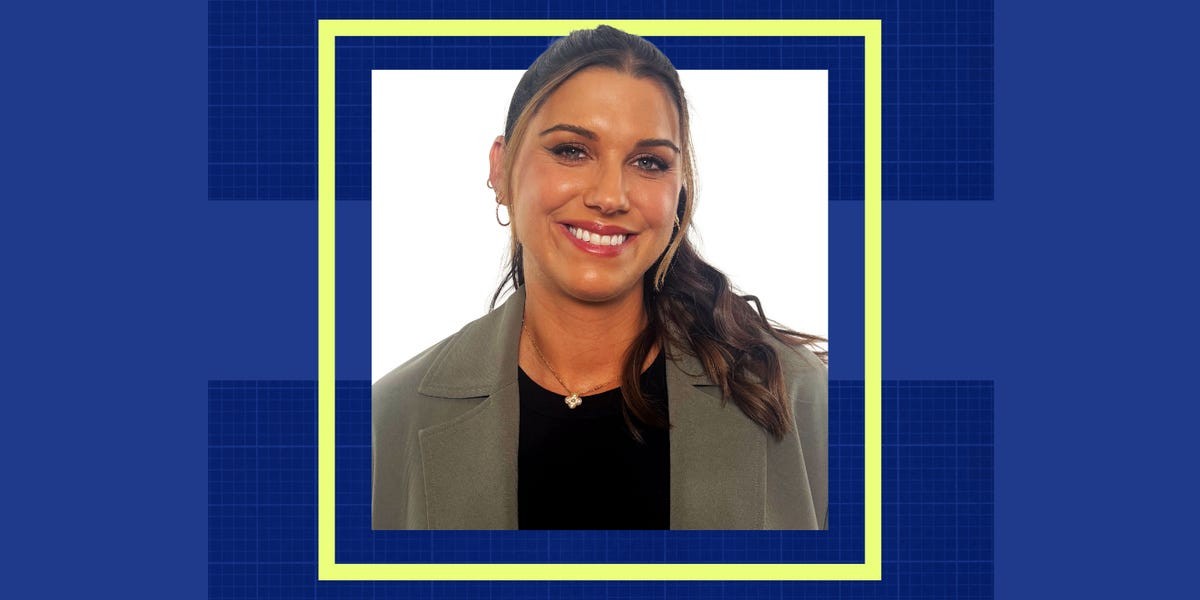
Alex Morgan didn’t just score goals. She won. Twice.
The FIFA World Cup. Olympic gold. U.S. Soccer Female Athlete of a Year. The hardware piled up until it became background noise.
But retirement didn’t mean stopping. Not even close.
At 37, the mom of two (a third on the way), Morgan is building something that lasts longer than a season. She’s leveraging her fame, her wealth, and her voice to fix the structural holes in women’s sports. This isn’t just about legacy. It’s about infrastructure.
She recently sat down with Women’s Health on The Huddle podcast. She talked to hosts Abigail Cuffey and Amanda about the gritty details of life after soccer. The shift from player to investor. From athlete to architect.
Why Women Athletes Must Plan Early for Financial Independence
Men’s sports leagues have had a century to build safety nets. The NFL? It’s ancient by comparison.
The National Women’s Soccer League is barely 12 years old. Started in 2012. That’s it.
No deep history. No automatic wealth transfer. No guaranteed pensions waiting in the wings.
Morgan knows this. She started planning for retirement years ago. You don’t have a choice.
“As a female athlete, you think about it differently,” Morgan said.
It’s not even a worst-case scenario mindset. It’s just reality. You have to protect yourself differently because the system doesn’t protect you.
So she built a portfolio. A real one.
She co-founded Trybe Ventures with her husband, former pro Servando Carrasco. It’s a venture capital firm focused on women. She’s also an investor in TOGETHXR, a platform dedicated to women’s sports commerce and storytelling.
And she serves on the JPMorganChase Athlete. Council.
Why? Because money talks, but it also silences anxiety.
“How do we help athletes navigate where to invest money, or handle taxes? Or what to do with big paychecks they’ve never seen before?”
The conversation changes constantly. Women’s sports are exploding. The money is flowing in now. Athletes need to know where it’s going. Or they’ll lose it.
How Morgan Invests in Her Former Team, the San Diego Wave
Money isn’t just about savings. It’s about leverage.
Morgan became a minority owner of the San Diego Wave. She joined the year the expansion team launched. She built it from the ground up. Now she owns a piece of it.
Her role?
Resource. Mentor. Owner.
She shows up. That’s the job.
“It’s being in the stands, watching them, supporting them,” she said.
But she’s not just cheering. She’s challenging the ownership group. How do you give players better contracts while filling the stadium? How do you create an atmosphere that sells tickets but also respects the athletes?
She has insight from both sides of the table. Former player. Current stakeholder. That’s a unique vantage point. Most people only see the game. She sees the business model holding it together.
Creating Sports Equity Through the Alex Morgan Foundation
Funds are good. Systems are better.
Three years ago, Morgan launched the Alex Morgan Foundation. The mission is simple. Create opportunity and confidence for girls. In and out of sport.
Focus? Access.
Sports equity.
“Creating multi-purpose fields for kids to play,” she said.
Why? Because sport is a vehicle. It builds confidence. It teaches self-reliance. It propels kids into whatever career they choose later.
You don’t need every girl to become the next Mia Hamm or Alex Morgan. They just need to learn lessons on the pitch. Discipline. Resilience. Teamwork.
These skills don’t disappear when the cleats come off. They carry into boardrooms. Classrooms. Life.
What’s Next for Morgan and Women’s Soccer?
The league is growing. Rapidly.
Morgan is using that growth to ensure the next generation doesn’t face the same financial precarity she saw coming. She’s not resting. She’s restructuring.
From venture capital to local fields, the strategy is consistent. Empower women. Give them the tools. Let them build.
It’s slow work. Real work. Not the flashy highlight reels. The behind-the-scenes grind that actually changes outcomes.
Morgan’s post-retirement career is just beginning. And she’s betting on the fact that the future of women’s sports won’t happen by accident. It has to be built.