Buying body soap is nothing new. You’ve probably been doing it your entire adult life. It’s just one little item on your shopping list that should take you a split second to grab while you’re at the store. But if you’ve wandered up and down the soap aisle recently, you probably know that trying to pick out the right kind of soap from among the vast selection of products can be as difficult as getting a good lather without any water.
Body soaps come in many forms with varying ingredients. Gone are the days when you just grabbed whichever soap your family used to use. Today there are bar soaps, liquid soaps, shower gels, soaps for specific skin types, antibacterial soaps and even soaps infused with herbs. Deciding which one to get is enough to make you want to throw in the towel. You definitely don’t want to buy the wrong soap and end up with an allergic reaction or case of contact dermatitis, which is a red inflammation of the skin.
Let’s get down to the basics. Divert your eyes from the “20 percent more free!” stickers, the soap and lotion combo pack and the cute travel soaps wrapped in tropical patterned paper. Take a moment to think about what you need from a cleansing product. Body soaps are meant to cleanse your body and remove dirt and excess oils that can contribute to unpleasant odors. They are also intended to help wash away bacteria that can lead to infection. Some soaps are even formulated to contain moisturizers. Simply put, body soaps should leave your skin clean, smooth and hydrated. But choosing the soap that’s best for you can be overwhelming because there are so many different kinds out there.
If the thought of searching the soap aisle scares you, get ready to wash your worries away. Read on to learn about the chemistry behind body soaps and what each type of soap has to offer.
The Chemistry Behind Effective Cleansing
Maybe you have several different kinds of body soap sitting around your house. There’s the old standard bar of deodorant soap that usually sits on your shower shelf, the pump of antibacterial soap next to the kitchen sink, the shower gel and loofah sponge you received as a gift, and that small bottle of body wash from the hotel you stayed at during your last vacation. All these products have at least one thing in common: They clean. The difference is in how.
Water alone can wash away dirt from your skin by sheer force, but because water doesn’t mix with oil, it is ineffective in removing oily buildup. In order to get rid of excess oils from your skin, soaps have to have bonding power. True soap is made up of fatty acids, which contain a chain of connected hydrogen, carbon and oxygen atoms. One end of this chain is lipophilic – it is attracted to oils. The other end of the chain is hydrophilic, or attracted to water. When you lather up, the lipophilic ends of the molecules pick up the grease and oils on your skin. When you rinse, the hydrophilic ends of the molecules follow the water, letting you rinse the soap molecules — and their attached impurities — away.
When picking out your body soap, you’ll want a product that can wash away the dirt and extra oils from your body. However, you’ll also want a soap that doesn’t strip away the natural oils that should be in your skin. Removing too many of the oils from your body will leave your skin dry, flaky and irritated. Ideally, your body soap should remove the oils you don’t need and leave the moisturizing oils behind.
Chemistry lesson aside, if you’re ready to lather up, read on to find out what you can expect from bar soaps.
Why Traditional Bar Soap Has Changed
It’s Come a Long Way
You might find it hard to locate that plain old bar of soap your grandmother used to use. This is because the soaps of yesteryear have undergone some big changes. There was once a prevailing notion that the more scrubbing power the soap had, the better — strip away all those acne-causing oils! Researchers later realized that harsh soaps irritated skin and aggravated skin conditions such as eczema. Now soaps are milder and gentler, and they can contain moisturizing ingredients. If your soap leaves your skin feeling tight, dry or red, it’s time to find a milder soap that won’t strip away your skin’s beneficial oils.
Choosing the Right Bar Body Soap
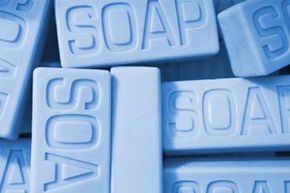
You’re standing in the aisle, staring at rows of bottles and slabs of hard soap. It’s overwhelming. The real decision isn’t just about scent. It’s about whether you want a bar or a liquid. Each has trade-offs. Bar soap is cheap. It’s easy to store in a cramped bathroom. But you have to read the label.
Many bars are designed to strip. They cut through garden dirt or grease like nothing. Great for the garage. Terrible for your face. If your bar contains sodium lauryl sulfate (SLS), it’s likely too harsh for daily use. It dehydrates. It dries you out. Limit the scrubbing.
But not all bars are equal. Some are mild. Some are moisturizing. They keep the oils your skin actually needs. Look for formulas that double as facial cleansers. They’re made for delicate skin. Some even fight acne. Just check for irritants. If you have eczema or hate fragrances, pick a fragrance-free option. Avoid dyes too. Itchy inflammation isn’t worth the risk.
So bar soap has a history. Romans used it. The chemistry hasn’t changed much. Fat or oil plus an alkali. Sodium or potassium salts. Large blocks cut into bars. It works. But let’s look at the other side.
The Case for Liquid Body Soap
Liquid soap is everywhere. Hand soaps. Facial washes. Gels. Body washes. Is it better? Not necessarily. It’s preference. Some people find liquids milder. Less irritating for sensitive skin. If bar soap leaves you itchy and dry, a moisturizing liquid body wash might save your skin. You want silky, not sandy.
When you pick a liquid, look for moisture sealers. Glycerin helps. So do humectants like sunflower oil or soybean oil. They soothe dry patches. These washes work for hands and faces too. Especially if you have sensitive skin.
Got oily skin? Prone to breakouts? Look for salicylic acid or benzoyl peroxide. They exfoliate. They unclog pores. Clean skin follows. Want more power? Try a body scrub with beads, sugars, or fruit extracts. Don’t scour. Rub gently. Stimulate cell growth without damaging the barrier.
Think this choice is simple? You’re missing specialty options. And there’s one more thing to check. The pH.
Understanding Soap pH Levels
You’ve seen the hype. pH levels matter. pH measures acidity. Most soaps sit between 9 and 10. That’s basic. Alkaline. Your skin? It’s acidic. Between 4.5 and 6.5.
Soaps closer to your natural pH are less drying. Less irritating. A mismatch strips your barrier. A match protects it.
How to Pick Specialty Body Soaps Without Irritating Your Skin
Defining “specialty soap” is messy. Everyone has a different take. But let’s simplify it by looking at what actually goes into the bar.
Glycerin and sugar-based soaps are usually transparent. They’re also less drying. If your skin feels tight after a shower, this is your starting point.
Then there are beauty bars using sodium lauryl isethionate. It replaces sodium lauryl sulfate. The latter is a known dehydrator. The former is gentler. Lactic acid and citric acid often lower the pH from a harsh 9 or 10 down to a skin-friendly 5 to 7. This helps protect your natural moisture barrier.
Botanical and herbal soaps rely on plant extracts. Think green tea, lemongrass, ginger, sea salts, lavender, and peppermint. You’ll find these in boutiques or online. They sound like the answer if you’ve reacted to traditional soaps before. But remember. Natural ingredients can still trigger allergies. Just because it’s plant-based doesn’t mean it’s safe for you.
Perfumed and colored soaps add sensory perks. They might leave you smelling like a rose. They might also cause contact dermatitis. Fragrance and dyes are common irritants. If you’re battling breakouts or redness, look for fragrance-free and dye-free options.
Ready to buy? Not so fast. Let’s talk about the elephant in the bathroom cabinet.
Are Antibacterial Soaps Actually Necessary?
Antibacterial soap conjures images of liquid hand wash. You wash your hands all day. Flu season feels endless. Why not boost the germ-fighting power?
Here’s the catch. The effectiveness of antibacterial soap over regular soap in everyday use is unproven.
That doesn’t mean they’re useless. They can help with cuts, abrasions, and specific skin disorders by slowing bacterial growth. Deodorant soaps fall into this category. They target odor-causing bacteria. They sound great for fresh air. But these soaps can be harsh. They can dry you out. Watch for changes in your skin’s chemistry.
Acne-fighting soaps are often antibacterial too. Bacteria drive acne. If the cleanser is mild, you’re fine. Acne-prone skin is sensitive. Use warm water. Keep it gentle. Aggravating your breakouts with harsh scrubbing is the last thing you need.
Why Your Skin Changes as You Age
You might have used the same bar since you were a kid. Lucky you. That luck might not last.
As we age, our skin produces less oil. It dries out faster. Dry patches often appear on legs, elbows, and arms. If this sounds like you, switch to a moisturizing soap. Your needs change. Your products should too.
The Antibacterial Market History
The 1950s and 60s revolutionized healthcare. Agents like triclosan and triclocarban entered hospitals. By the 1990s, they hit commercial products. Today, antibacterial sales exceed $1 billion annually.
We’ve been conditioned to believe more germ-fighting power equals better health. But for daily body washing? Regular soap works. Antibacterial formulas have their place. Cuts. Abrasions. Specific disorders.
Otherwise? Stick to what feels right on your skin. Read the label. Ignore the marketing hype. Find the one that doesn’t strip you dry.
There’s always another brand promising the next big thing. The search for the perfect bar never truly ends. You just learn to recognize what works. And what doesn’t.
Read the label like a pro.
Explore the links below to dive deeper into the growing world of body care. Your skin will thank you for the extra scrutiny.
What the Experts Actually Say About Your Daily Routine
The noise in the beauty aisle is loud. Loud enough to drown out basic logic. You walk in looking for soap and walk out with seven different cleansers, three serums, and a chemical peel that sounds like a science experiment. It’s exhausting.
The American Academy of Dermatology has spent decades studying this. Their take on “cosmeceuticals” is blunt: hype often outpaces science. The term itself is a marketing blend of cosmetics and pharmaceuticals. It sounds medical. It often isn’t.
“Cosmeceutical facts & your skin.” American Academy of Dermatology.
This doesn’t mean you should stop caring for your body. It means you need to look closer at what’s in the bottle. And how you use it.
Daily Cleansing: More Isn’t Better
We have an obsession with purity. We want our skin squeaky clean. That feeling of tightness after washing your face? It’s not clean. It’s stripped.
Dr. Zoe Diana Draelos, a leading authority on skin and hair cleansers, points out that your skin has a natural barrier. Wash it too hard. Use the wrong soap. And you compromise that barrier.
This leads to dry skin. And keratosis pilaris. That rough, bumpy texture on your arms and thighs is often just dry skin playing hide and seek. It’s not a disease. It’s a condition of neglect or over-aggression.
Is a daily shower too much for your skin? For some, yes. For others, no. The difference lies in the water temperature and the soap. Hot water strips oils. Harsh antibacterial soaps kill good bacteria along with the bad. Martin F. Downs of WebMD noted years ago that the safety of antibacterial soap is highly debated. Do you really need triclosan in your hand soap? Probably not.
Moisture Is Non-Negotiable
Once you clean, you must seal. This is where most women go wrong. They apply lotion on dry skin. It sits on top. It feels greasy. It does nothing.
Apply moisturizer to damp skin. The water traps the hydration. Karen Bruno, writing for WebMD on advances in body skin care, highlights that toning creams and lotions work best when the skin is slightly wet. The same applies to the face.
For the body, thicker creams work better than thin lotions for dry patches. Eczema, or atopic dermatitis, isn’t just about itchiness. It’s about the skin’s inability to hold moisture in. The Mayo Clinic recommends lifestyle changes alongside treatment. Avoid harsh soaps. Use gentle cleansers. Moisturize immediately after bathing.
Chemical Treatments: Proceed With Caution
Microdermabrasion sounds glamorous. It sounds like a spa day where you’re buffed like a piece of furniture. It works. It removes dead skin cells. It reveals fresh skin underneath.
But it’s invasive. It’s not for everyone. If you have sensitive skin, active acne, or rosacea, it can cause more harm than good.
Chemical peels are similar. They use acids to exfoliate. How chemical peels work is well-documented. They dissolve the top layers of skin. The deeper the peel, the longer the downtime. And the higher the risk of scarring or pigmentation issues.
Are chemical peels safe for all skin types? No. They are not. If you have darker skin tones, the risk of post-inflammatory hyperpigmentation is real. You need a professional. You don’t need a DIY kit from the drugstore.
Making It Simple
You don’t need a fifteen-step routine. You need consistency.
- Cleanse gently. Use a pH-balanced cleanser. No harsh scrubs.
- Moisturize on damp skin. Lock in the water.
- Protect from the sun. Always.
The history of soap goes back centuries. From animal fats to synthetic detergents. We’ve learned a lot. But our skin’s needs haven’t changed much. It wants to be clean. It wants to be moist. It wants to be protected.
Stop buying what’s trendy. Start buying what works. Check the ingredients. Look for ceramides. Hyaluronic acid. Niacin