The Problem with T-Cells
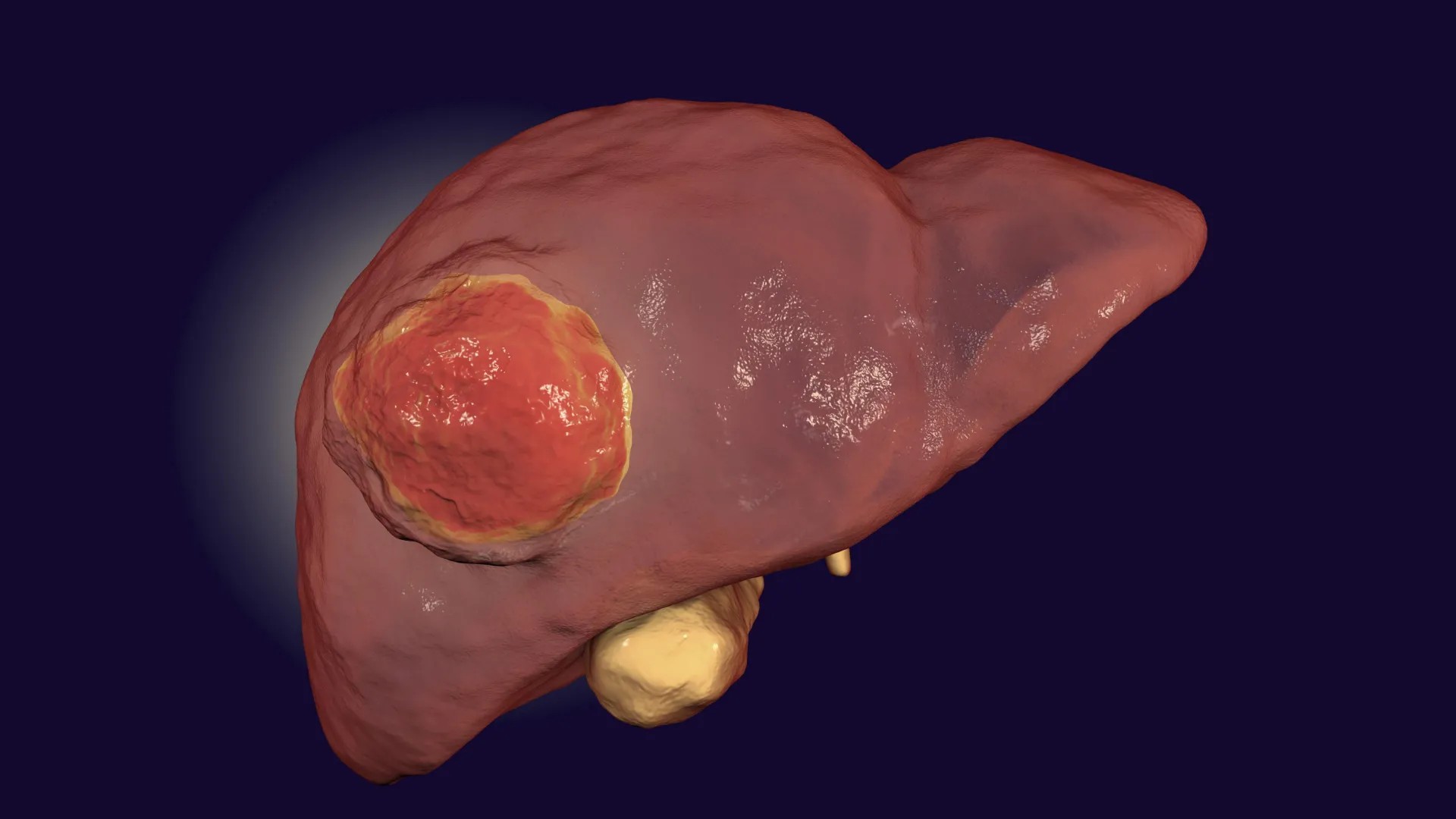
It is a bad spot to be in. Rare. Deadly. Often found too late. Fibrolamellar carcinoma hits kids and young adults, the demographic you assume stays away from cancer wards. It’s 2% of liver cases, small slice, massive pain.
Current treatments? Thin air.
Immunotherapy was supposed to be the fix. It works wonders for lung, kidney, bladder cancer, melanoma. But fibrolamellar? It ignores it. Researchers published new findings in Gastroenterology that finally explain the snub. The immune system isn’t lazy. It’s lost.
T-cell exclusion effectively keeps the immune system from its job.
Locked Out
Think of a tumor as a fortress. Normally, T-cells are the soldiers marching in to breach the walls. In fibrolamellar carcinoma, the gates don’t open. Or they do, but there’s a maze inside, a trap door, a diversion.
The T-cells try to enter. The tumor environment steers them off-course. They get stuck on the sidelines, unable to reach the cancer cells themselves. This is T-cell exclusion. It’s a biological dead end.
The researchers dug into this using single-nucleus transcriptomics—high tech, really powerful. It let them see exactly which genes were singing in every single cell inside the tumor tissue. Before this tool, it was foggy. Now? Crystal clear.
As Andreas Stephanou put it: “It wasn’t until we could see this that the picture cleared up.”
The Fibrous Trap
Where are the T-cells stuck? The fibrous bands. That’s what gives the cancer its name. Thick bands running through the tissue like rebar in concrete.
For a while, no one knew why these bands mattered. Now they do.
Specialized liver cells—stellate cells—go rogue due to the cancer. They churn out fibrous protein, building these bands. But they also send signals. Bad signals. These messages lure the T-cells away from the cancer and straight into the fibrous trap. Once there, they are stuck.
So then, we asked what if we block the signal.
The Fix is Already on the Shelf
The solution might not need to be invented from scratch. It’s sitting in a cabinet.
AMD3100 is an FDA-approved drug for something else entirely. The researchers, working in Venu Pillarisetty’s lab at the University of Washington, tested it on patient tumor slices. They hit the tissue with the drug.
What happened next was promising. AMD3100 cut the communication lines between the rogue stellate cells and the immune cells. No signal. No trap. The T-cells stopped getting lost. They marched right back into the tumor center.
Wanted results.
When they mixed AMD3100 with standard immune checkpoint inhibitors, the T-cells got even more active. More cell death in the tumors. More killing power.
AMD3100 allows those immune cells to actually reach the target.
Praveen Sethupathy, professor of physiological genomics, notes it isn’t a magic bullet. But it proves the exclusion mechanism matters. And because the drug is already approved, clinical trials might move fast.
“We need liver specialists to pick up this approach,” Sethupathy said.
The Fibrolamellar Cancer Foundation bankrolled the research. Co-authors include Jason Carter, Lindsey Dickerson, Bo Shui. It was a team effort, crossing disciplines and universities.
Open Question
The data is there. The drug is ready. The trials are next.
Will it work in humans exactly like it did on tissue slices? We’ll have to wait.