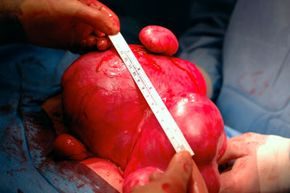
Uterine fibroids. They are round, benign growths in the smooth muscle of the uterus. Medically known as uterine leiomyomata, they sound invasive. And they can be.
These tumors are a leading cause of abnormal uterine bleeding. Yet, the exact trigger remains a mystery. Why do they form? Why now? The answers are scattered across demographics, hormones, and genetics.
Who Gets Fibroids?
Age matters. Most cases appear in women over 35. By that age, 20 to 40 percent of women have had or currently have fibroids. It is less common in your 20s, but not impossible. Roughly 30 percent of women between 25 and 45 develop them.
Ethnicity plays a heavier role here. African American women face a significantly higher risk. Up to 50 percent of black women before menopause are affected. They are two to three times more likely to develop these tumors than their white counterparts. The reason for this disparity is still unclear.
Estrogen seems to fuel them. Fibroids often grow rapidly during early pregnancy when estrogen levels spike. They also tend to swell in women taking oral contraceptives. Then, menopause hits. Estrogen drops. The fibroids shrink.
Where Do They Grow?
Not all fibroids are the same. Location dictates the problem.
Submucosal fibroids grow inside the uterine cavity. Subserosal ones bulge outward on the uterus. Intramural fibroids nestle within the muscular wall of the uterus.
Only 10 to 20 percent of women with fibroids actually feel symptoms. For the rest, they are silent passengers. But for those who do feel them, the experience is rarely mild.
The Physical Toll
Painful periods are the most common complaint. Some women experience menorrhagia —heavy bleeding accompanied by clots. Bleeding between periods is also frequent. Intercourse can become painful. A sense of fullness or pressure settles in the lower abdomen. Lower back pain lingers.
Most fibroids stay tiny. Unnoticed. Harmless.
Some grow large. Grapefruit-sized. Bigger. These sizable tumors, several inches in diameter, take up space. They press against internal organs. This pressure causes frequent urination. Urgency. Constipation.
Fertility and Pregnancy Complications
Fibroid location impacts fertility. Multiple fibroids multiply the risk.
Studies link fibroids to conception issues. Implantation failure. Higher miscarriage rates. One study found a 14 percent miscarriage risk for women with fibroids. Compare that to 7 percent for women without them.
During pregnancy, fibroids can trigger complications. Placental abruption. Premature labor. Delivery via C-section is six times more likely for women with fibroids than those without.
Treatment Realities
Hysterectomy is a common fix. It is not always the first choice, especially for women who want to preserve fertility.
Still, the numbers are stark. About 30 percent of hysterectomies in Caucasian women treat fibroid symptoms. For African American women, that number exceeds 50 percent.
The tumor itself is rarely cancerous. Leiomyosarcoma appears in less than one in every 1,000 cases. Benign does not mean benign problems. The physical burden is real. The reproductive impact is measurable.
What happens when conservative treatments fail? The path toward removal often becomes the only visible path forward.
The Link Between Fibroids and Fertility
It’s frustrating that we still don’t have a definitive answer on why some women with fibroids face higher risks of miscarriage or struggle to conceive. Studies show an association, sure. But the “why” remains a mystery to researchers.
What we do know is that location matters. Submucosal fibroids—those growing inside the uterine cavity—can twist or distort the shape of the uterus. This physical change can interfere with implantation and pregnancy. Other theories suggest that fibroids embedded in the uterine wall might alter blood flow to the placenta. An irritable uterus could also play a role in early pregnancy loss.
Treatment Options Based on Goals
How you treat fibroids depends on a few key factors: your age, symptom severity, size of the growths, and, crucially, whether you want to preserve fertility.
For many, the solution is simple. Over-the-counter pain relievers might be all you need to manage discomfort. Hormone therapy is another route, often used to halt the growth of the fibroids themselves.
But when symptoms are moderate to severe, or the fibroids are chronic, surgery becomes the conversation.
Surgical Paths for Those Done with Childbearing
If you have already had children or have no intention of having more, the options are more aggressive. The goal here is total resolution.
Hysterectomy is the most definitive solution. It removes the uterus entirely. It’s 100% effective for curing fibroids and their symptoms. No uterus, no fibroids.
Other surgical options include:
- Endometrial ablation: This procedure destroys the uterine lining using heat, laser, freezing, or microwaves.
- Uterine fibroid embolization (UFE) or uterine artery embolization (UAE): These minimally invasive procedures block blood flow to the fibroids. Deprived of oxygen and nutrients, they shrink.
Myomectomy: Preserving Fertility
For women who hope to have children, the approach shifts. The uterus must be preserved. Myomectomy is the standard of care here. It’s a minimally invasive surgical removal of the fibroids while leaving the uterine wall intact.
It’s not without risks. Recent data indicates that about one-third of women will develop new fibroids after this procedure. It’s a recurrence, not a failure of the surgery itself, but it’s a reality.
So why go through it? Because the success rate for conception is significant. Estimates suggest that 40 to 60 percent of women who undergo myomectomy go on to become pregnant. That’s a substantial portion of women achieving their family planning goals.
The Economic Impact
The burden of this condition isn’t just physical or emotional. It’s financial.
In the U.S., the annual cost of treating uterine fibroids exceeds $21 billion. That’s a staggering number, reflecting the widespread nature of the issue and the variety of interventions required.
As research continues to untangle the mystery of miscarriage and conception issues, the clinical path remains clear: match the treatment to your body and your future plans. The options are there. The data is growing. But the personal choice—between preservation and removal—still rests with you.